
Put Critical Coal Stocks on a Recovery Clock
India entered October with about 21.8 million tonnes of coal across 190 monitored thermal plants — only 37 per cent of the normative requirement.
2 October 2026

UPFRONT
ITLA now has the authority to compare competing transport investments before capital is committed. Its real value will lie in forcing road, rail, port and terminal proposals onto the same corridor economics.
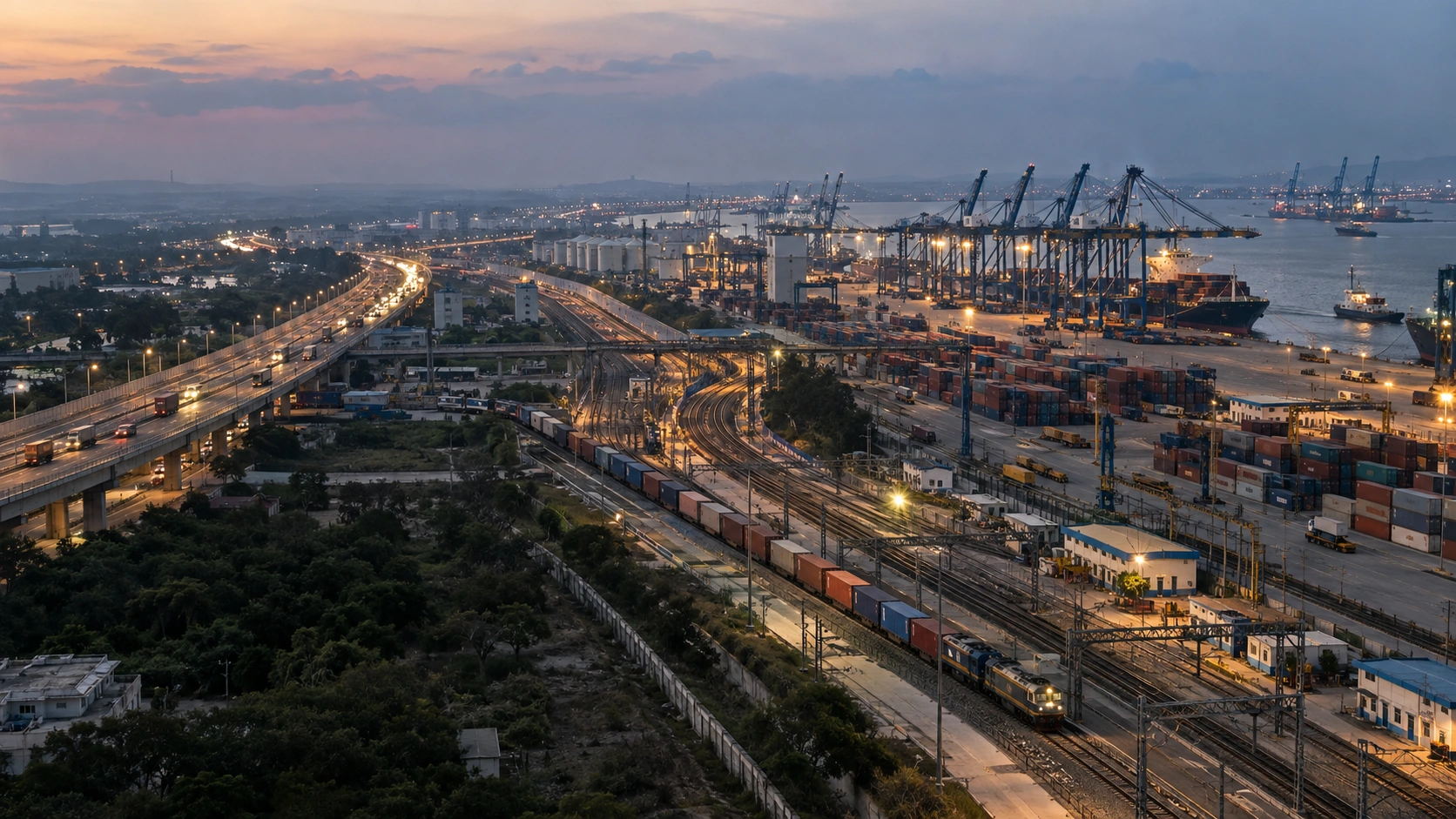
The Union Cabinet has given the Integrated Transport and Logistics Authority technical appraisal over Central government infrastructure projects costing ₹500 crore or more. ITLA will prepare the National Transport Master Plan, monitor major projects and assess their impact after completion. Financial appraisal remains with existing mechanisms. ITLA now enters the decision before capital is committed, with authority to compare road, rail, port and terminal proposals.
PM GatiShakti and the Network Planning Group already test how major infrastructure proposals connect with the wider network. By August 2026, the group had evaluated 396 projects worth about ₹18.66 lakh crore for multimodality, cross-network planning and last-mile connectivity. Network fit does not rank alternatives. A railway link, road expansion, terminal upgrade and port intervention can address the same freight problem with very different economic returns.
At a port with adequate berth capacity but slow rail evacuation, another berth adds capacity at the wrong point. Terminal dwell may be the binding delay; highway widening leaves it intact. Capital follows the constraint only when appraisal begins with the corridor problem rather than the asset proposed by the sponsoring institution.
For freight-linked Central projects within ITLA’s ₹500-crore appraisal mandate, technical appraisal must include a Corridor Investment Test. The appraisal starts with the constraint, identifies credible alternatives across modes and tests every option against the same measures: end-to-end freight cost, journey time, reliability, transfer delay and capital required.
Road, rail and port ministries retain execution, specialist knowledge and responsibility for their networks. ITLA compares options that individual project pipelines do not naturally generate. Financial appraisal stays where it is. No new veto is required. Technical appraisal becomes the point where a road project can lose to rail, a port expansion to terminal access, and fresh concrete to an operating fix.
State and privately operated assets enter the evidence base when they shape the corridor constraint. ITLA need not control them. A Central investment cannot be judged while ignoring the infrastructure on which its economic return depends.
ITLA’s mandate extends beyond project selection. The National Transport Data Repository will support freight-flow and origin-destination analysis, while the authority will conduct post-implementation impact assessments. ITLA can judge performance after construction against the same variables used at selection. A project chosen for lower cost, faster transit or greater reliability has to deliver those outcomes in operation.
India’s latest official assessment places logistics costs at 7.97% of GDP. The figure gives India a national benchmark, but not the evidence needed to choose between competing interventions on a specific corridor. Europe’s TEN-T treats roads, rail, ports and terminals as parts of common corridors, with investment priorities tied to shared bottlenecks. The UK’s Transport Analysis Guidance compares alternative transport solutions through a common appraisal method. ITLA can combine both principles inside India’s own planning and approval machinery.
ITLA becomes consequential when appraisal changes the project list. A siding may outrank another highway lane. Port evacuation may outrank another berth. Better operations may outrank fresh concrete. When the highest-return answer lies outside the sponsoring mode, capital must follow the evidence.
More from Upfront
India entered October with about 21.8 million tonnes of coal across 190 monitored thermal plants — only 37 per cent of the normative requirement.
2 October 2026

India already supplies professional capability globally. Indian firms must now originate mandates, retain clients across markets and earn recurring foreign revenue.
22 September 2026
At SEMICON India 2026, design, materials, fabrication and packaging are beginning to connect; the next proof of scale is whether suppliers qualified through early projects can win new customers.
18 September 2026