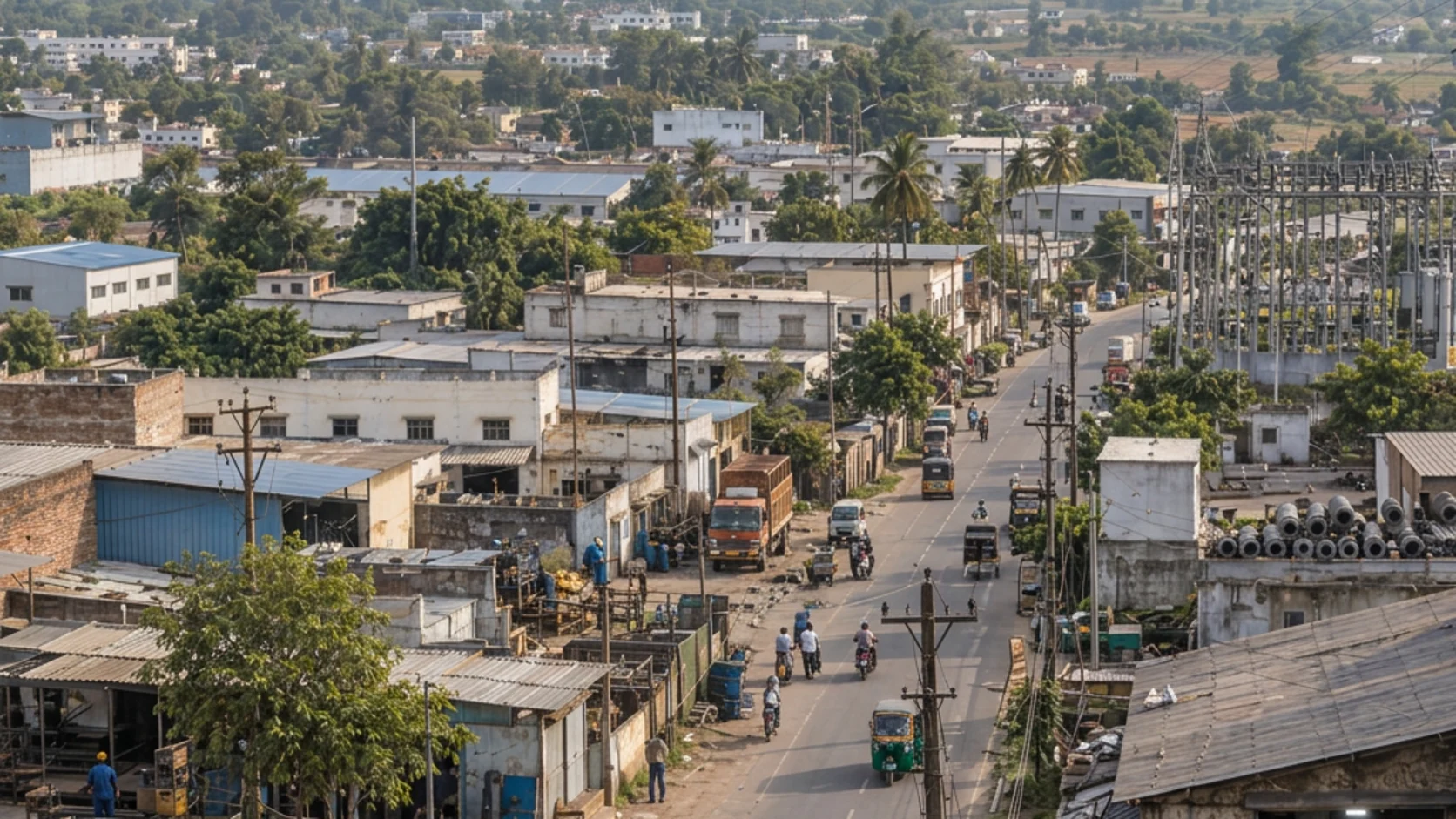
India Can Now See Where Enterprise Becomes Productivity
Existing district programmes now need a common productivity account.
12 September 2026

UPFRONT
India’s ₹10,000-crore SME Growth Fund must finance the capability leap that viable firms cannot carry through existing debt or equity.
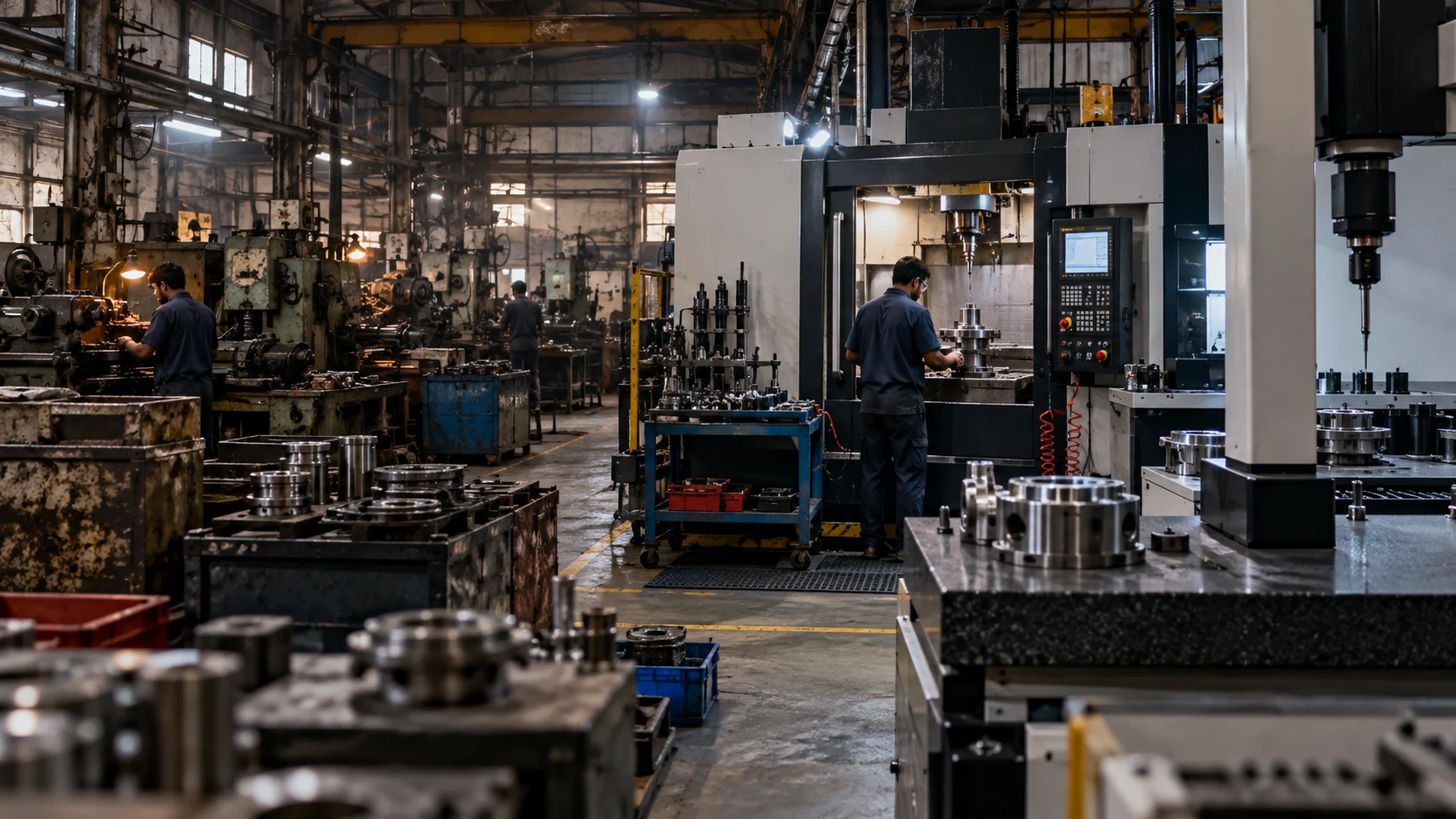
On 6 October 2026, the Union Cabinet approved ₹10,000 crore for the SME Growth Fund, a direct-equity vehicle for small and medium enterprises. An MSME equity architecture already exists.
The Self-Reliant India Fund works through a mother-fund and daughter-fund structure. By 31 December 2025, 69 daughter funds had invested ₹16,260 crore in 693 MSMEs. Budget 2026–27 added another ₹2,000 crore to SRI.
The SME Growth Fund takes another route: direct investment through an Alternative Investment Fund. A major share is intended for manufacturing-focused SMEs.
Public equity must fill a gap existing capital leaves open.
For manufacturing, the gap emerges when a commercially viable firm needs a capability it cannot finance on reasonable terms.
SGF capital belongs at that point.
Higher-tolerance production. Technology brought under the firm’s control. Qualification for a demanding customer or export market.
Each changes what the enterprise can make and where it can compete.
Every manufacturing investment needs an Industrial Graduation Record.
At entry, the record names the capability, the financing gap and the commercial result expected from the investment. The fund must establish why debt or private equity will not finance the transition on reasonable terms.
At exit, the same record asks the decisive question: did the capability enter the firm and reach the market?
Turnover is too crude.
Industrial depth comes from control over the process, technology or qualification that determines what the firm can produce and sell.
Proof is specific: a process brought in-house, technology acquired or developed, customer qualification secured, a market entered.
SRI already broadens MSME access to equity through professional fund managers. SGF’s manufacturing allocation has a narrower job: direct public investment in capability transitions that lack reasonable financing.
Public equity must not displace commercial finance. Displacement transfers risk to the state without creating additional capability.
The financing gap opens after commercial proof, when the next industrial capability still lacks reasonable capital.
The fund’s record must show what entered Indian firms because its equity existed.
Doctrine
Go Deeper
Existing district programmes now need a common productivity account.
12 September 2026
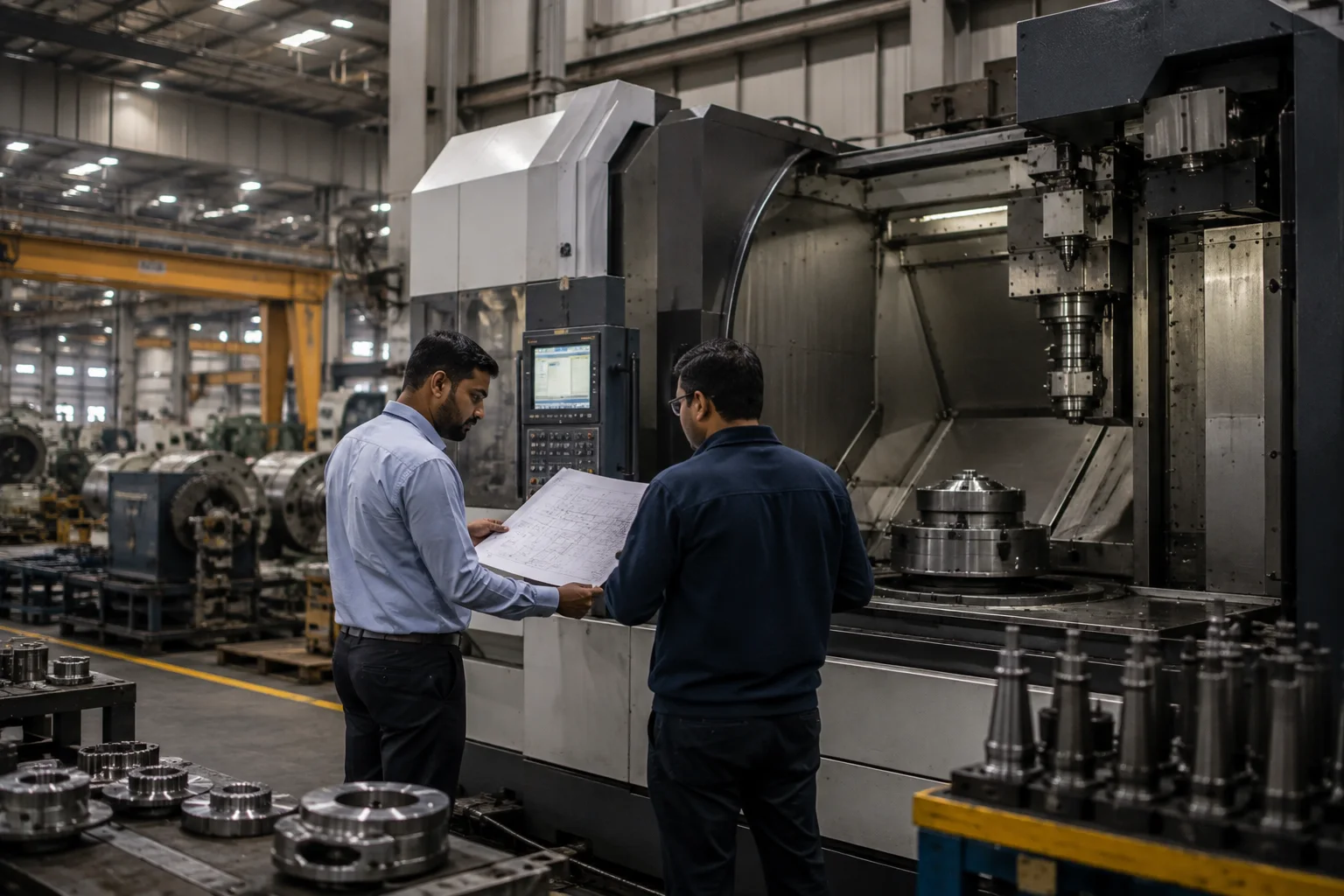
India should map its future machinery demand early enough for domestic suppliers to develop, qualify and compete before procurement begins.
3 September 2026
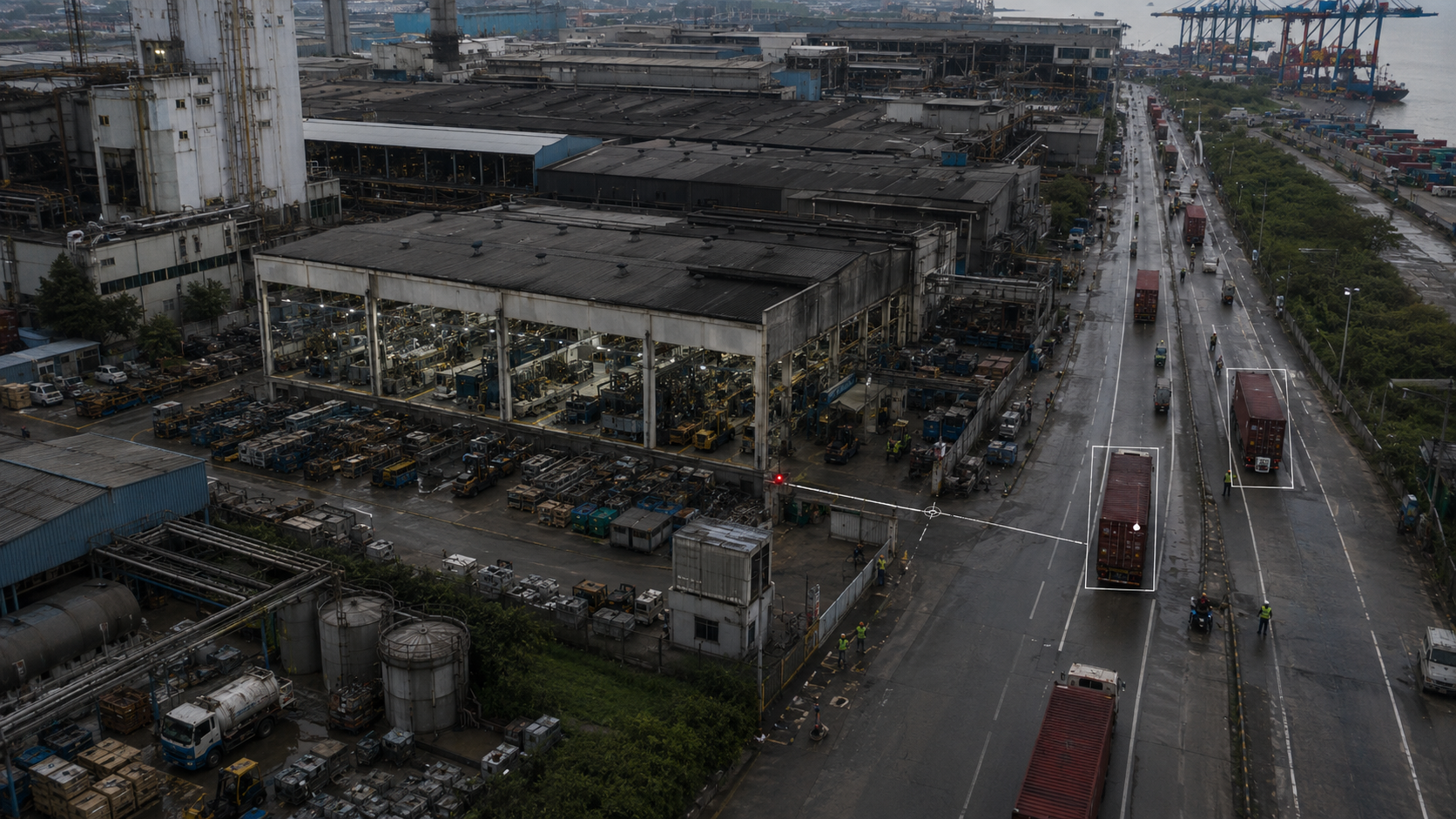
WTO members are questioning India's production incentives, quality controls and import-substitution measures. Defending India's policy space is one task. Proving what those interventions create requires a harder scoreboard.
24 July 2026
Leader Blueprints
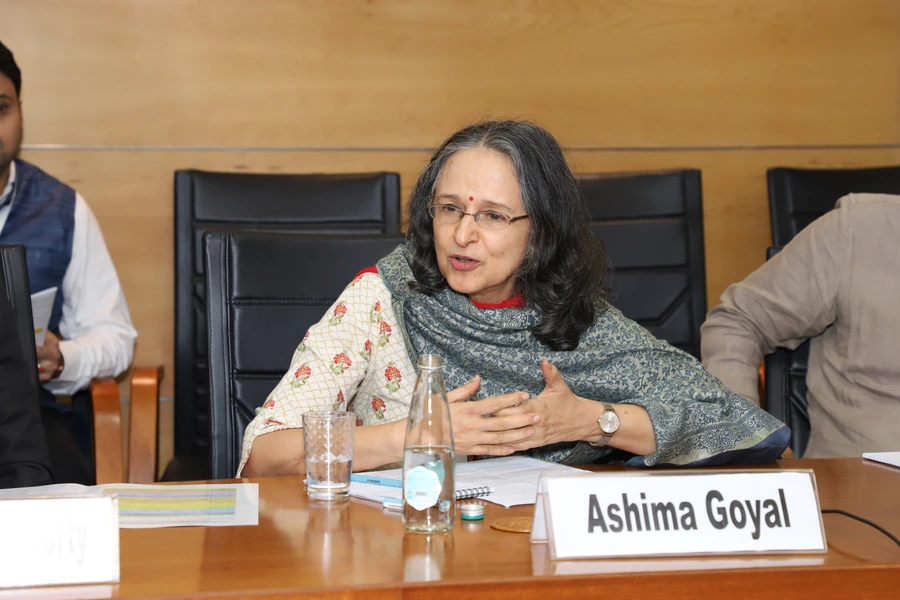
Ashima Goyal
Capital & Industrial Policy
Ashima Goyal on patient capital, financial depth, policy stability and the financing conditions needed for long-cycle strategic investment and capability building.
7 October 2026
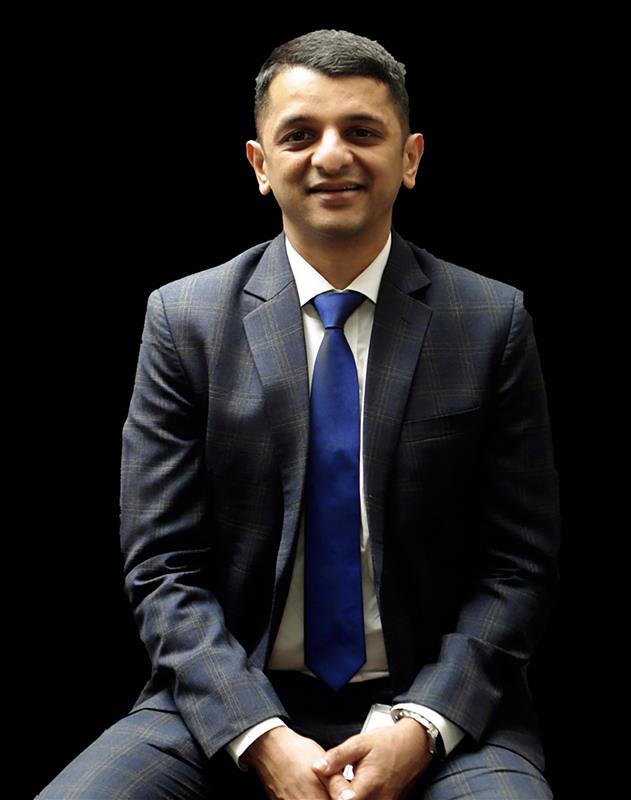
Dr. Aman Desai
Whole-time Director and Co-founder, Aether Industries Limited · Leader Blueprint
Process intelligence turns chemistry into value.