Solar Delivery Needs an Owner
India measures each stage of solar delivery separately, but no institution is responsible for proving the complete economic result.
4 August 2026

Upfront
India's AI build-out needs more than land and servers. Every large campus must show that power, water and supporting infrastructure can carry its full operating load.
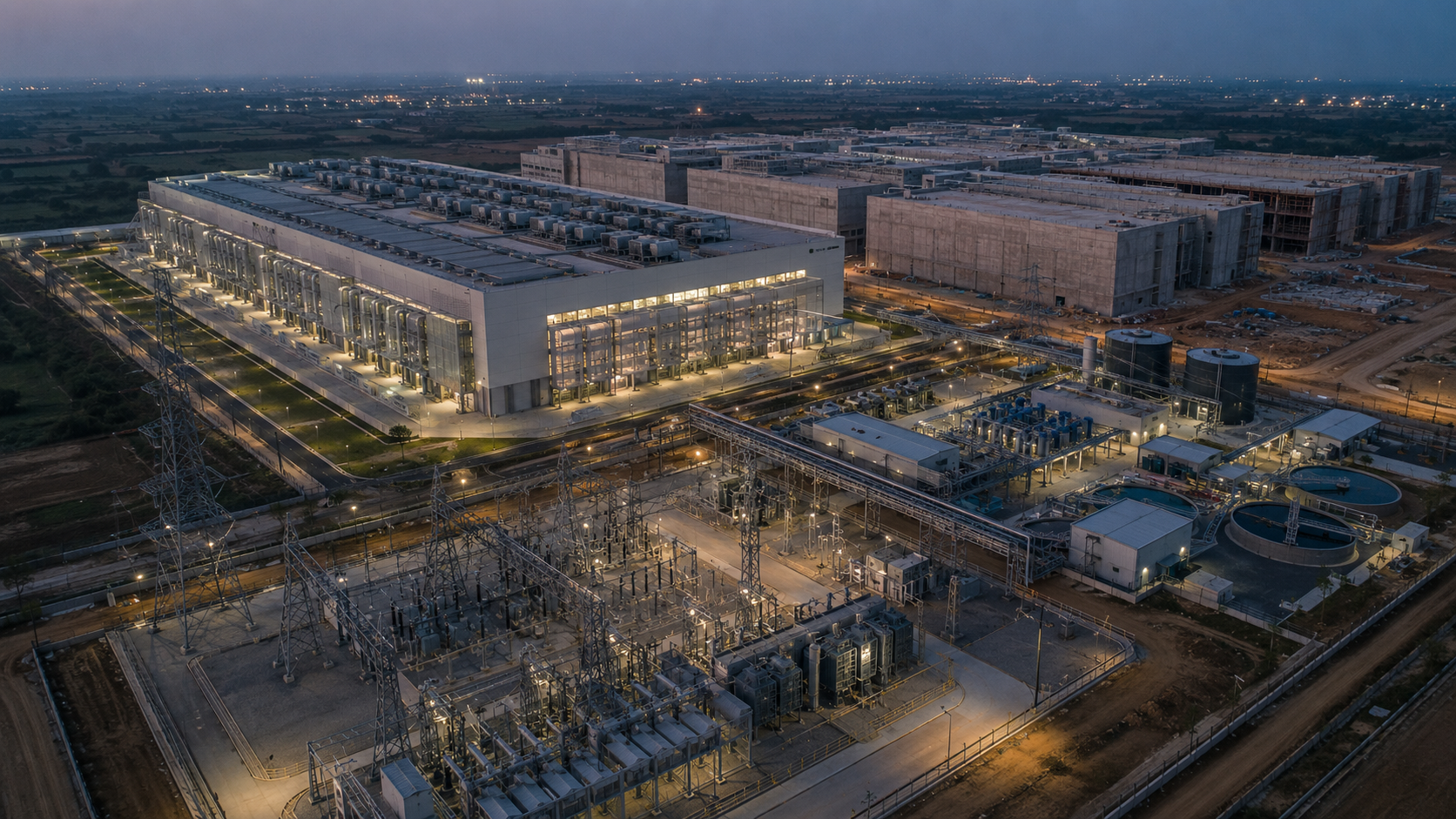
GOOGLE'S $15 BILLION Visakhapatnam data-centre project is facing challenges over water and wildlife. On the same day, the Ministry of Environment, Forest and Climate Change told Parliament that AI data centres do not, by themselves, require environmental clearance. Prior clearance can be triggered when the building housing them crosses 20,000 square metres, while electricity, water and groundwater remain governed through separate regulatory channels.
Google says it will use advanced air cooling, while Andhra Pradesh disputes claims that residential or rural water supplies will be diverted. The coincidence exposes the larger governing problem: for hyperscale compute, the consequential load can extend far beyond the dimensions of the building being assessed.
Doctrine
India needs domestic compute for artificial intelligence, cloud services, regulated workloads and industrial digitisation. Its value depends on whether the physical systems beneath it can expand without weakening supply to existing users. The economics of hyperscale compute are inseparable from the grid, water system and city that carry it.
Europe measures installed IT load, energy, water and operating efficiency through a common reporting system. Ireland tests large new demand at the electricity-connection gate and links access to system adequacy. Singapore treats scarce data-centre capacity as something to allocate deliberately. Taken together, they suggest a usable Indian sequence: measure the load, establish what local systems can support, then attach the resulting obligations to approvals the project already needs.
Parts of that logic are already visible in India. Telangana and Uttar Pradesh provide for dual-grid arrangements, while Andhra Pradesh has created special electricity arrangements for qualifying 300 MW projects. India still lacks a common rule linking the size of the load to the infrastructure required, its cost and the pace at which capacity becomes operational.
For large projects, the load test should take the form of an infrastructure delivery plan embedded in the relevant electricity connection, interconnection or distribution approval and the applicable water-supply or abstraction process. Ten megawatts of sanctioned demand is a reasonable starting trigger, subject to calibration by the Central Electricity Authority, Bureau of Energy Efficiency and state regulators using Indian operating data.
The plan should separate capacity reservation from activation. A developer planning a 300 MW campus needs certainty that the eventual scale can be served before committing billions of dollars. It should be able to reserve that requirement contractually, while power and water are activated in blocks only as the supporting infrastructure for each phase is delivered. Milestones and lapse provisions would prevent scarce capacity from being held indefinitely.
Project-specific feeders, substations, interconnections and recycled-water infrastructure should be financed by the project; shared augmentation can be allocated according to capacity reserved. That changes the economics of location. A campus choosing a constrained grid or water system should see the infrastructure cost created by that choice rather than transfer the difference to existing users.
The institution that wins the investment is often not the institution that carries its operating cost. The investment agency captures the announcement and political credit; the long-term obligations fall across the discom, transmission system, water authority and environmental regulator. The agency already tracking the project can hold the common infrastructure record without acquiring another approval power, while existing authorities enforce their own conditions.
Predictability matters because some workloads can move abroad. The load test should reveal the true infrastructure cost of a location, not create another uncertain permission.
India can reserve the gigawatts investors need. It should switch them on only as the power, water and supporting infrastructure required to carry them is delivered.
Go Deeper
India measures each stage of solar delivery separately, but no institution is responsible for proving the complete economic result.
4 August 2026
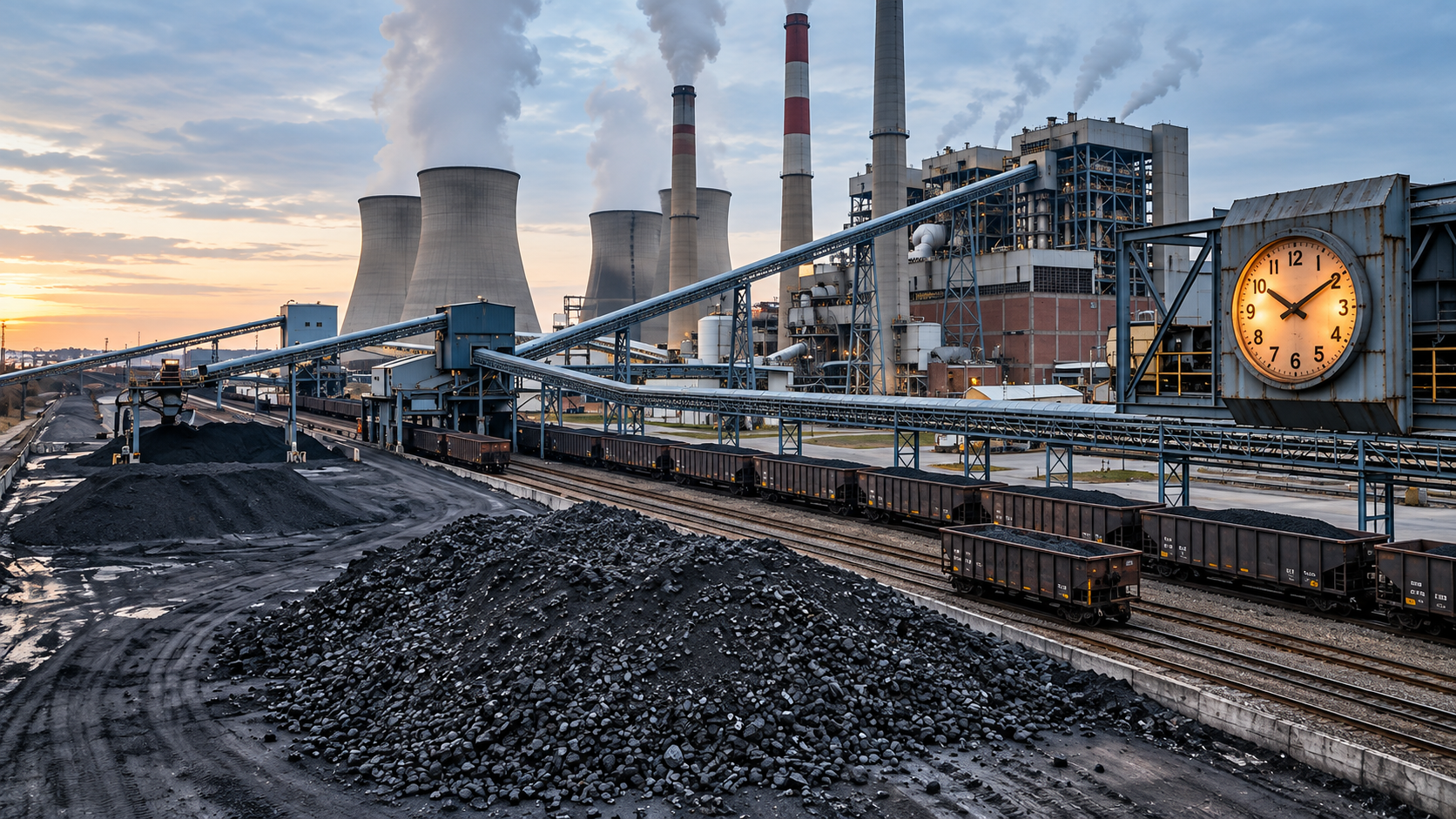
India entered October with about 21.8 million tonnes of coal across 190 monitored thermal plants — only 37 per cent of the normative requirement.
2 October 2026
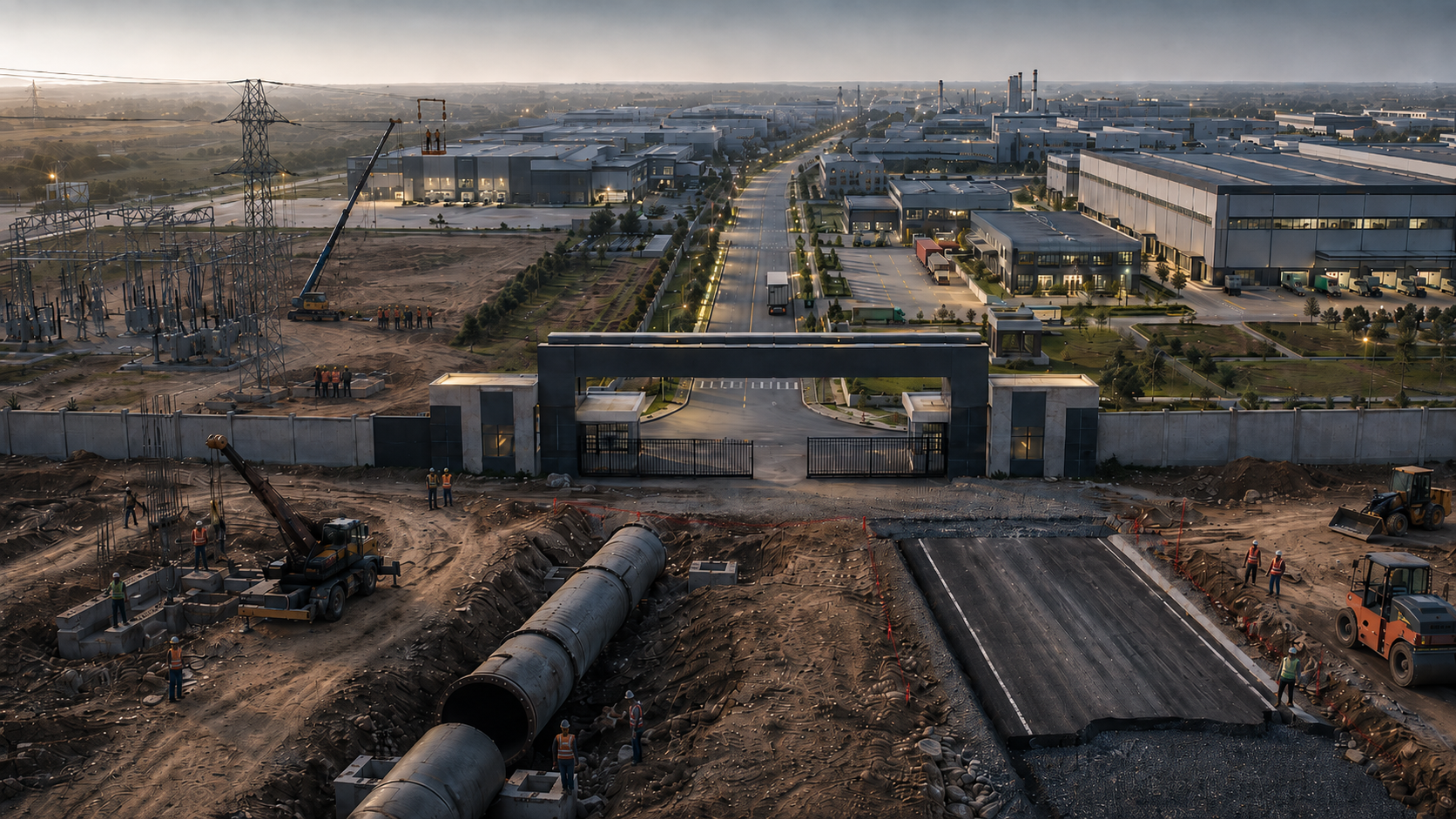
BHAVYA can keep park construction moving through external delays. Its first factories can switch on only when power, water and connectivity arrive with them.
18 August 2026