THE factory is the final test of industrial infrastructure.
On 17 August, at the third Apex Monitoring Authority meeting, officials reviewed a scheme drawing more interest than its first round can hold: 87 state applications are competing for up to 20 approvals in BHAVYA's first round. The meeting sharpened the test of execution. Finance Minister Nirmala Sitharaman pushed states beyond approvals towards infrastructure completion, naming connectivity, utilities, clearances and SPV powers as bottlenecks to resolve. Commerce and Industry Minister Piyush Goyal called for an integrated area-development approach; the meeting emphasised that infrastructure in and around industrial areas must be planned together.
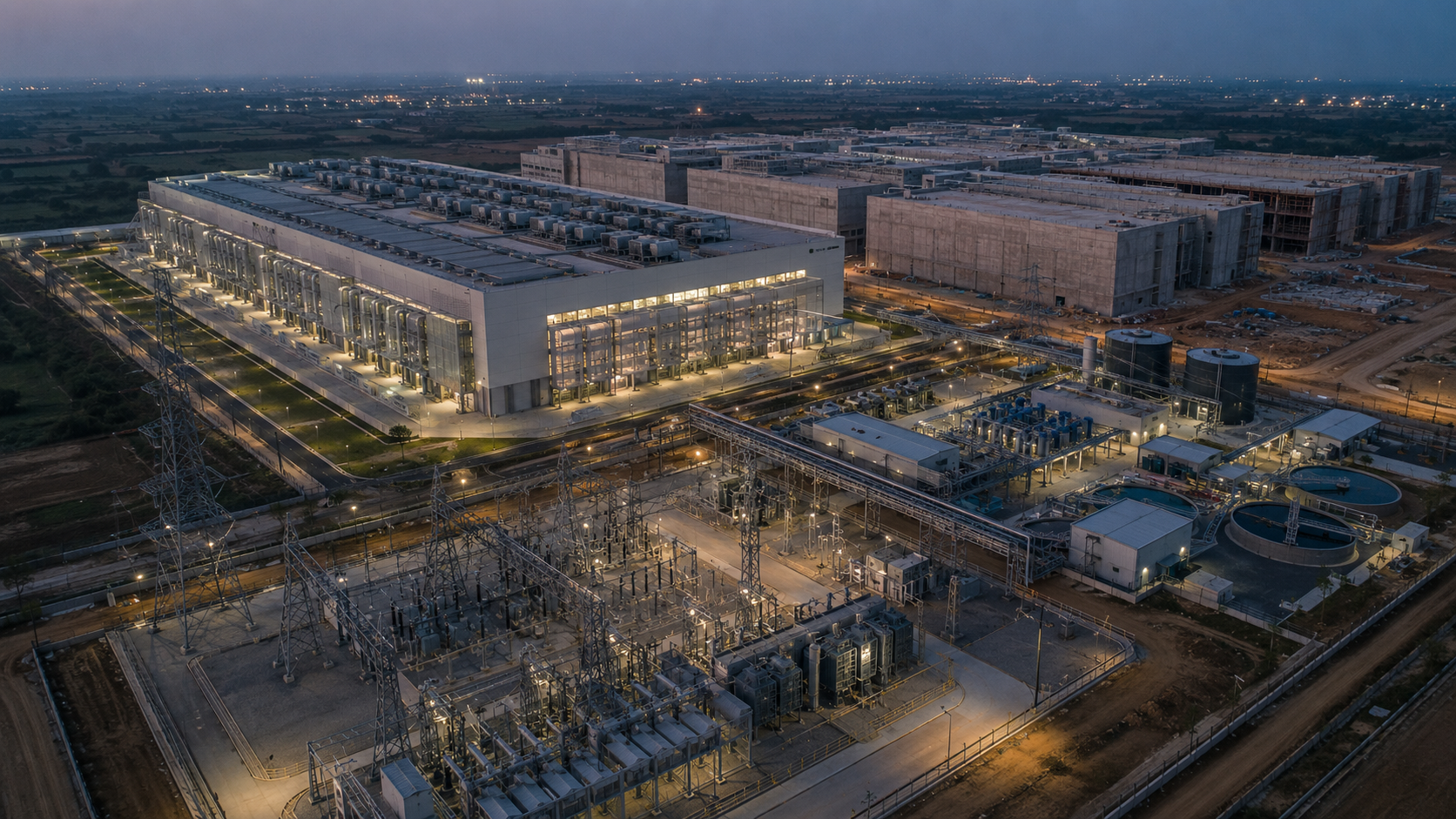
The scheme's own guidelines define the industrial park as investment-ready, plug-and-play infrastructure where an allottee can commence manufacturing without delay. Appraisal weighs connectivity, industrial demand and operational readiness, with planning and development powers delegated to each park's Special Purpose Vehicle. A park fulfils its economic purpose only once manufacturers can use it.
The complication begins where the industrial park ends.
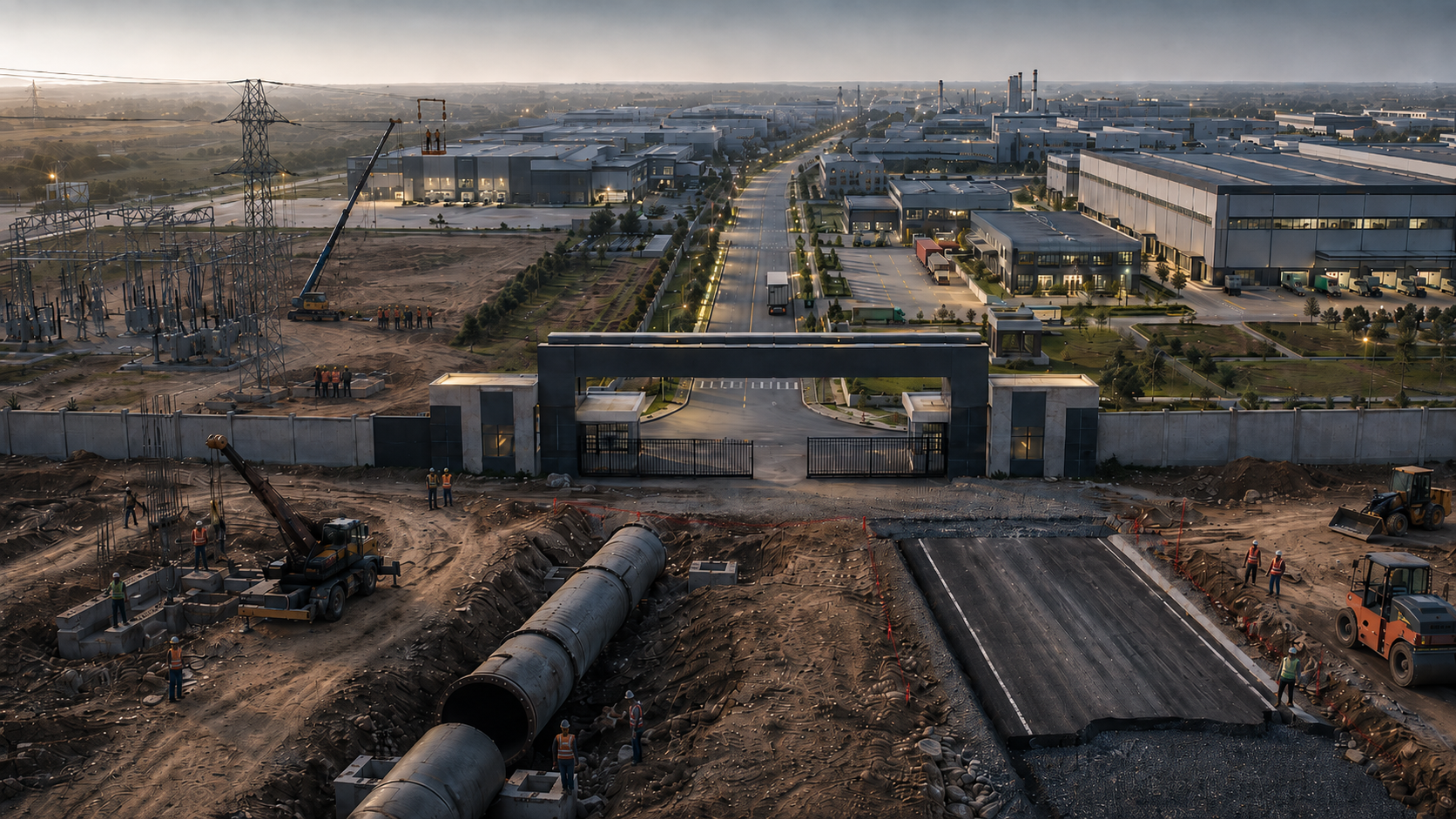
Factory-critical infrastructure often sits beyond the SPV's own execution boundary—the final power connection, water supply, access road and last-mile link to the highway. BHAVYA does not leave this unowned: the State Nodal Agency facilitates external infrastructure, while the State Support Agreement commits the state to these connections within agreed timelines.
A manufacturer does not see an SPV, a transmission agency and a roads department. It sees one date on which its plant can start production.
BHAVYA allows part of its approved funding to support last-mile external infrastructure. Where that infrastructure is delayed through no fault of the SPV, funding conditions tied to it can be deemed satisfied once the State Nodal Agency certifies that the delay is solely attributable to pending state-side infrastructure. Halting construction over another department's delay would only compound it. Yet while this waiver protects construction continuity, it cannot make a missing external connection available to the factory.
Across the wider National Industrial Corridor Development Programme, 469 plots covering roughly 5,348 acres have been allotted; 134 units are in production, 95 more under construction. The Apex Authority noted progress must now be measured by how fast infrastructure converts into manufacturing and employment—a reminder that industrial infrastructure and industrial production are different stages.
A useful operating precedent comes from Vietnam. At the 1996 groundbreaking of the first Vietnam-Singapore Industrial Park, Singapore Prime Minister Goh Chok Tong noted eight international investors had already committed to build factories. He called them pioneer investors, noting their actual experience would shape how later investors judged the project. The sequencing matters: factories were committed before the park broke ground, and both governments were expected to help make their entry work.
BHAVYA already has the institutions to synchronise the two. Once a park's first manufacturers are committed, their production dates should set the working calendar. Factory construction, power energisation, water availability, external connectivity and commercial production should all work towards the same commissioning date.
Where BHAVYA permits funding to continue despite an external delay, let it continue—but factory readiness should remain incomplete until the connection those factories need exists. With 87 applications and up to 20 first-round approvals within a 100-park programme, the initial rollout is more than a contest for sites. The first BHAVYA round can set the standard for the rest: build the park and commission its first factories on the same clock.