
India Needs a Capability Map for Critical Imports
India’s shortlist of approximately 100 critical imports requires industrial decisions at product level.
26 August 2026

Upfront
Four Indian companies will invest more than ₹1,200 crore to build, own and operate an Earth-observation constellation. India has mobilised private capital and technical capability. Industrial strength will come from repeated use of Indian data across public services and commercial markets.
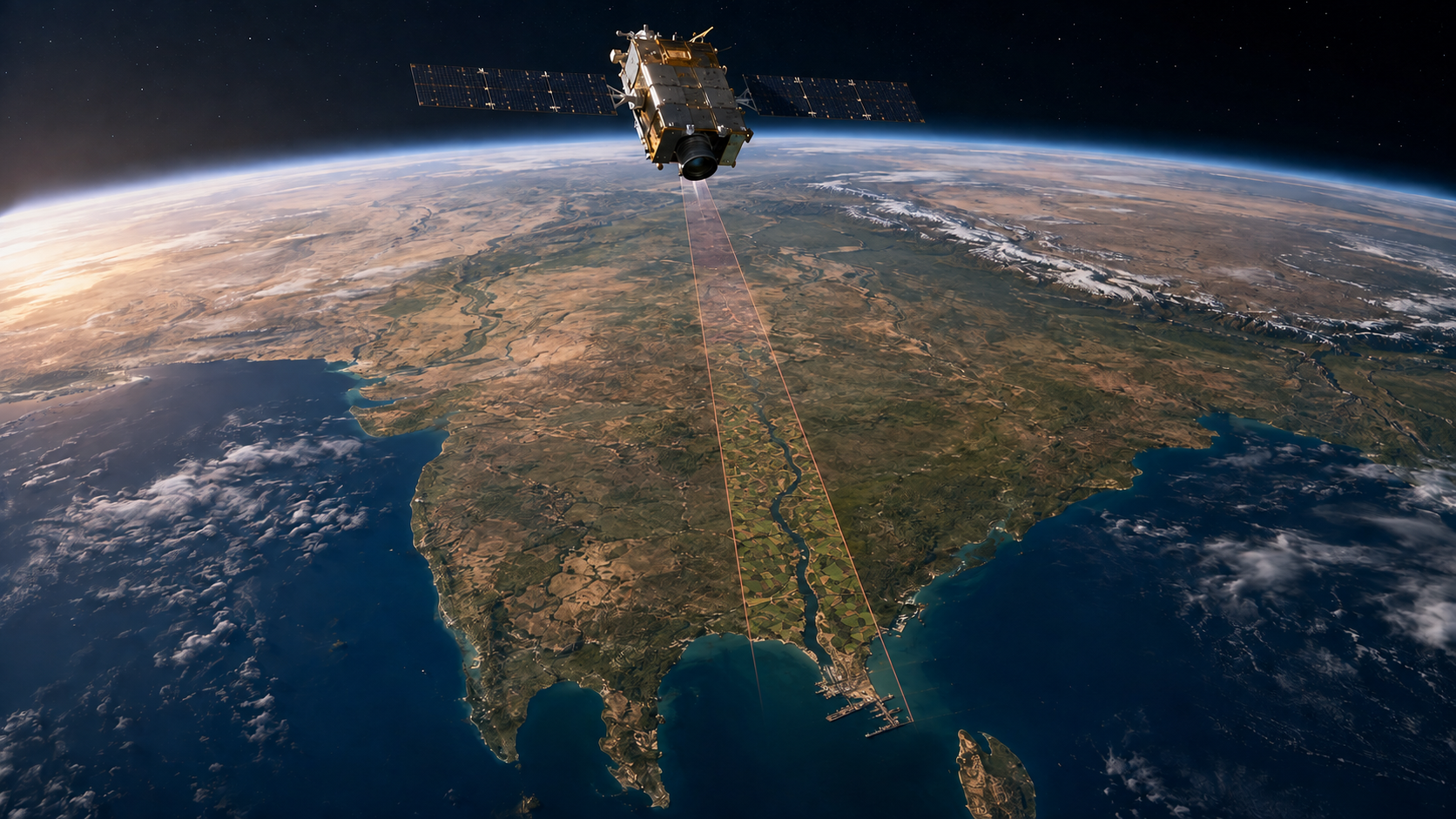
INDIA has entrusted four private companies with responsibility once held by the state: financing, building and operating national-grade infrastructure in orbit.
In its 12 August update to Parliament on the continuing EO-PPP programme, the Department of Space described the government as "enabler, regulator, and anchor customer". Allied Orbits was selected in August 2025 and signed its concession agreement with IN-SPACe on 21 January 2026. The consortium—PixxelSpace India, Dhruva Space, PierSight Space and SatSure Analytics India—will invest more than ₹1,200 crore to build, own and operate 12 Earth-observation satellites by 2029. They will be manufactured in India, launched on Indian vehicles and controlled from India. IN-SPACe will coordinate government access; companies may commercialise data globally. The ₹1,200 crore is consortium investment—not government expenditure or a guaranteed purchase commitment.
The parliamentary reply identifies the government as anchor customer and sets out coordinated access for government users. It does not disclose the volume, value or duration of purchases. That observation is limited to the reply; the underlying concession terms are not publicly available. An anchor-customer role gains commercial force when access becomes procurement against defined requirements. The consortium reportedly secured the mandate through a zero-cost bid, forgoing up to ₹350 crore in government support.
Around 440 space-technology startups are registered through the DPIIT portal. Separately, IN-SPACe has issued 113 authorisations to 52 non-government entities, including 18 startups. These measure different stages yet reveal the distance between entrepreneurial formation and operational space activity.
Cumulative investment reached approximately $618.5 million by 31 March 2026. Capital has brought the sector to this threshold. Operating records, repeat purchases and export orders will carry it beyond.
The obstacle is fragmented authority. The Department of Space establishes policy; IN-SPACe authorises activity and coordinates government access. User ministries control budgets and bear operational risk. Public buyers prefer established sources. A new Indian provider needs purchases to establish operating proof; buyers demand that proof before committing purchases.
A workable route is a two-year National EO Data Purchase Window: a cross-ministry pilot designed before the constellation becomes operational in 2029 and activated as qualified data become available. The Department of Space convenes ministries with EO requirements to map imagery purchases, foreign dependence and capability gaps. Each ministry retains its budget and places task orders under procurement rules. IN-SPACe aggregates specifications and coordinates independent performance validation.
Providers compete for empanelment; payment follows accepted delivery against resolution, revisit frequency, latency and reliability. The window buys only what existing public assets cannot supply at the required level. Because ministries remain responsible for their orders, the pilot can begin within existing authority and earn expansion through results. Security classification, licensing, uncertain demand and coordination across buyers will slow decisions. The pilot should resolve these constraints before multi-year contracting. PM GatiShakti shows that a common layer can coordinate ministries without absorbing their authority. NASA and the NRO provide procurement precedents.
Earth observation is a strategic enabler. Its economic scale lies outside the space sector: more accurate crop assessment, faster disaster response, better insurance pricing, lower-cost infrastructure monitoring and stronger maritime awareness. Climate resilience and national security add the sovereign case. Without organised purchasing, India could own more satellites while public users continue buying familiar foreign datasets and private missions seek reliable demand abroad. From 2029 through 2047, the durable inheritance must extend beyond twelve satellites to Indian providers with verified operating histories, domestic revenue and export-grade Earth-intelligence services.
Indian founders and mission teams carry the risk of making twelve satellites work as one system. Performance across public applications will build the record from which purchases and export orders are won. Sovereign capability becomes industrial strength when its output enters repeated economic use.
Doctrine
Go Deeper
India’s shortlist of approximately 100 critical imports requires industrial decisions at product level.
26 August 2026

India already supplies professional capability globally. Indian firms must now originate mandates, retain clients across markets and earn recurring foreign revenue.
22 September 2026
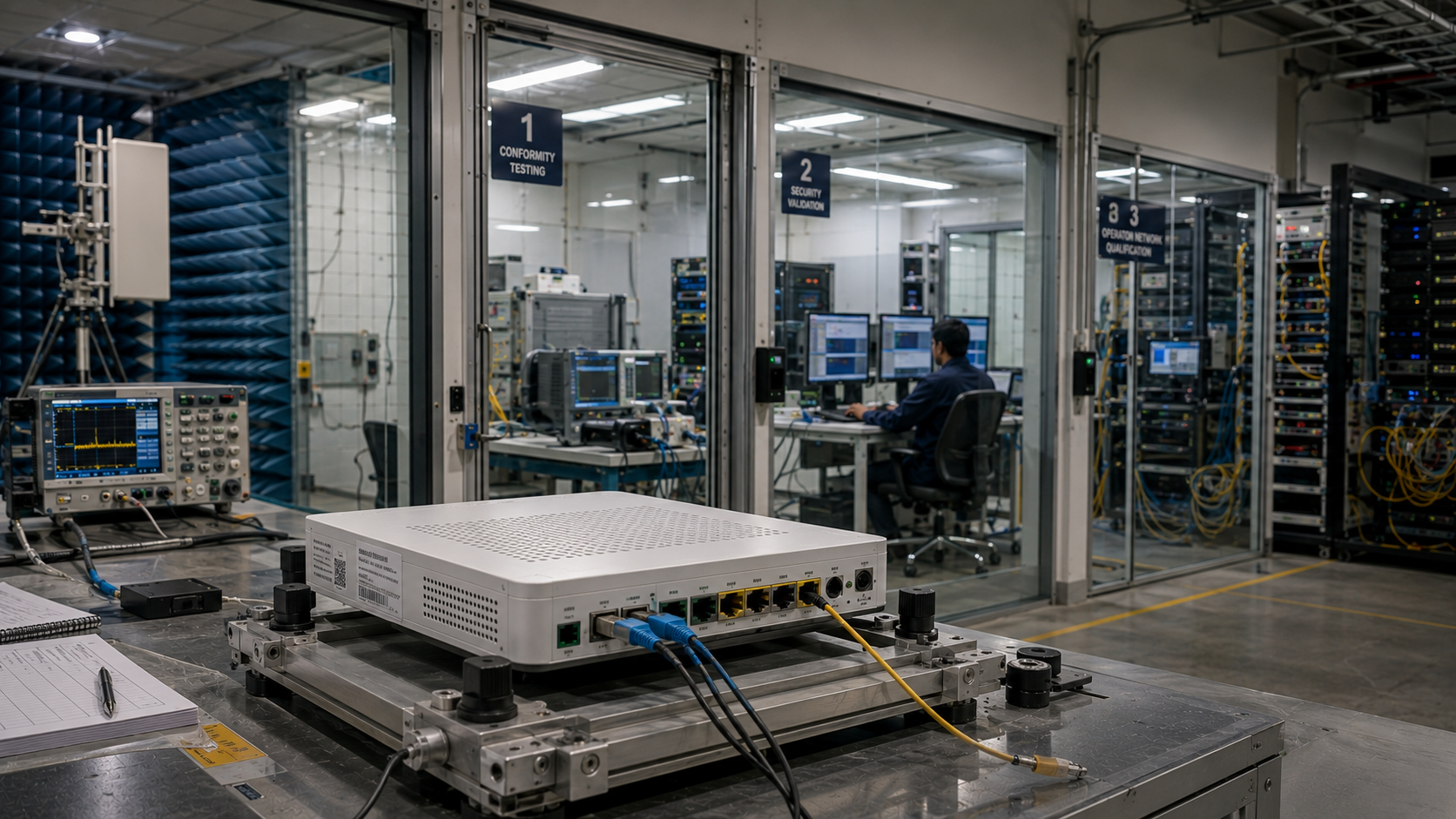
Gwalior will house specialised laboratories across India's telecom technology stack. The decisive test is whether they can carry a domestic product from prototype through certification, interoperability and its first operator-approved deployment.
30 July 2026
Leader Blueprints
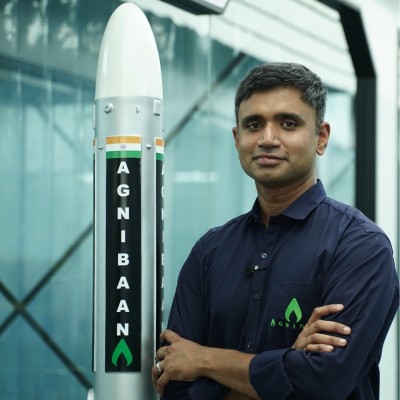
Srinath Ravichandran
Co-founder, Agnikul Cosmos · Leader Blueprint
The mission stack converts launch into infrastructure.
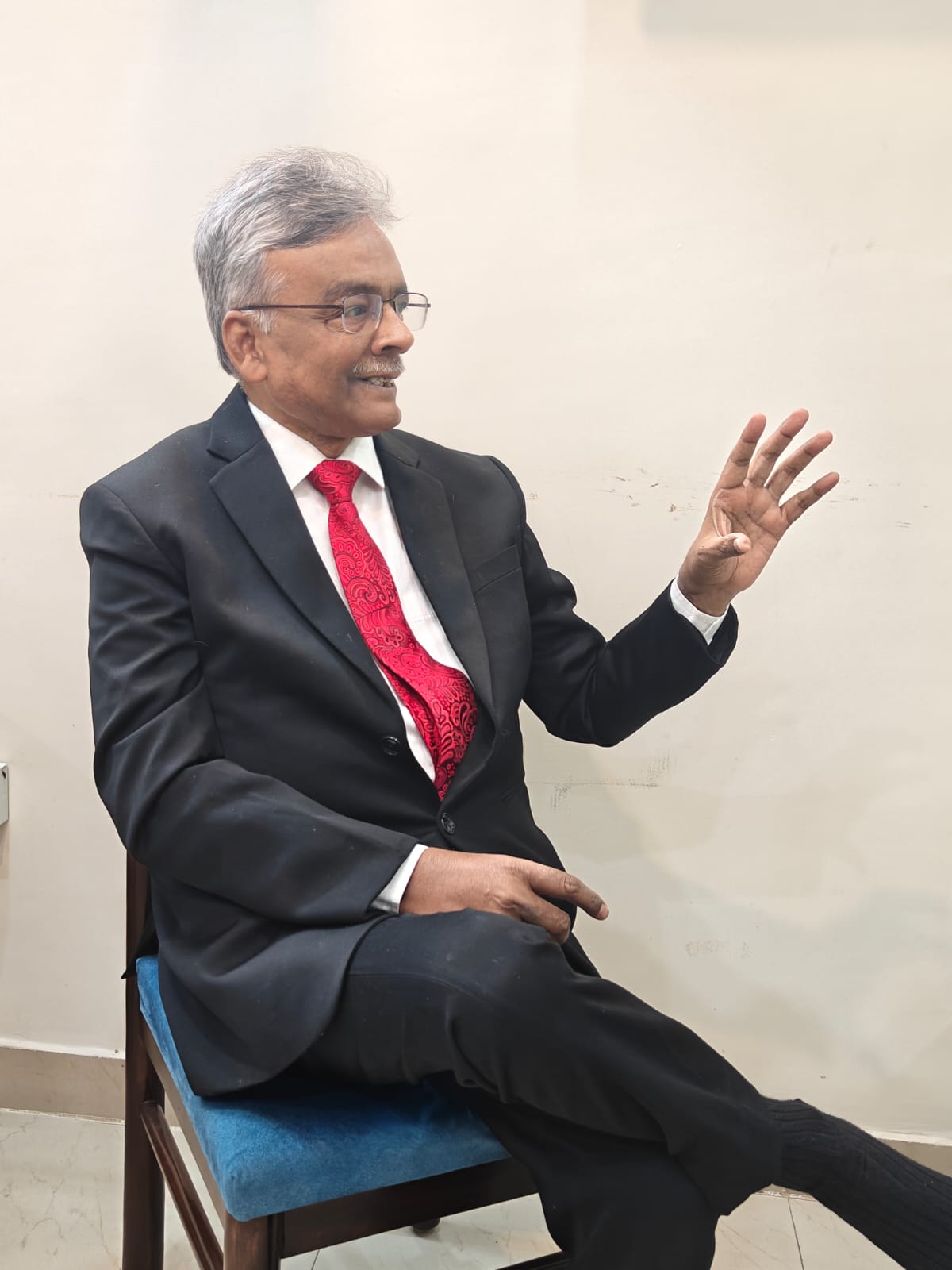
Dr. Akhilesh Gupta
Former Secretary, SERB; Former Senior Adviser, Department of Science and Technology, Government of India · Leader Blueprint
Translation turns knowledge into national capability.