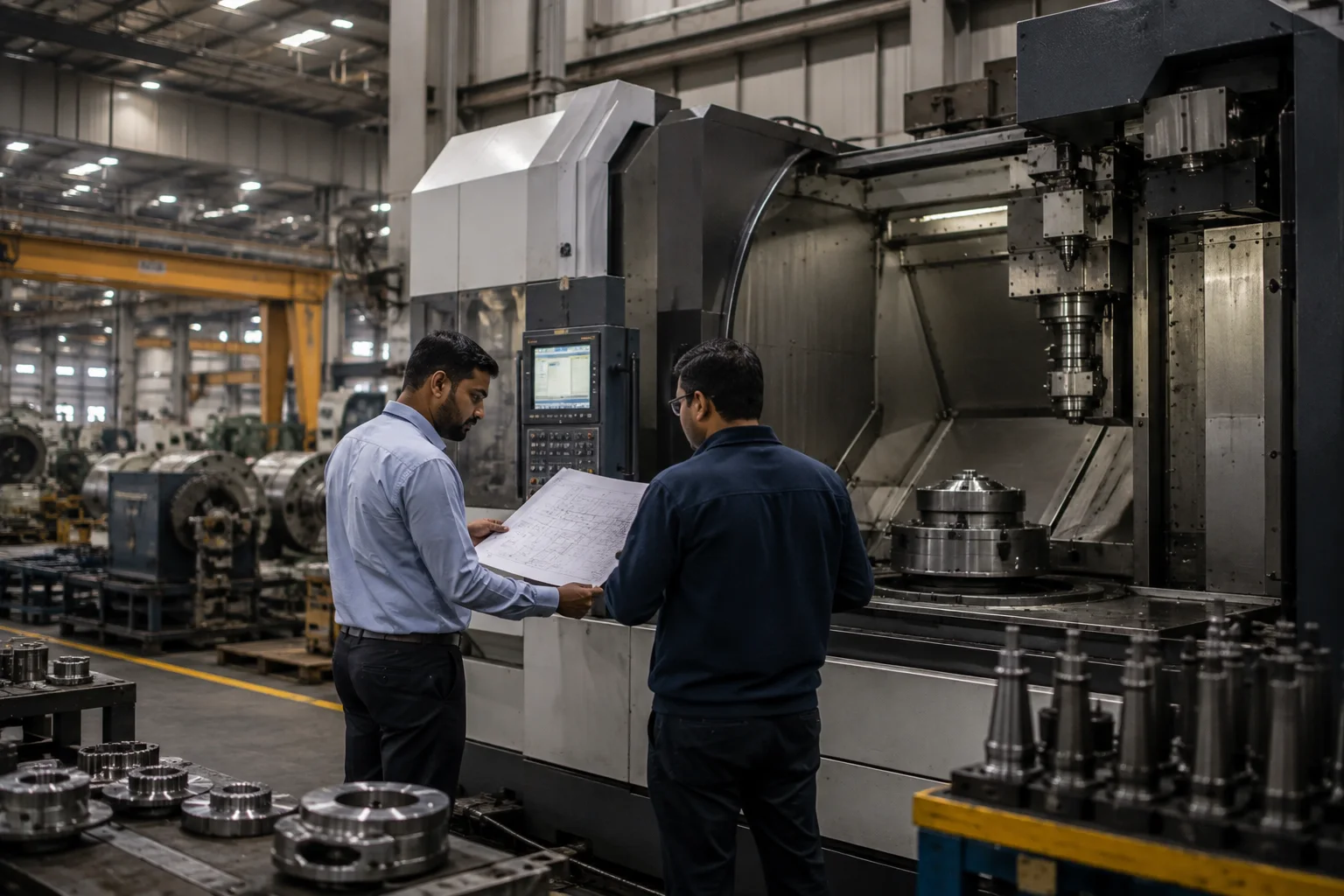
Machinery Demand Map: Deepening India’s Capex Cycle
India should map its future machinery demand early enough for domestic suppliers to develop, qualify and compete before procurement begins.
3 September 2026

Upfront
India’s shortlist of approximately 100 critical imports requires industrial decisions at product level.
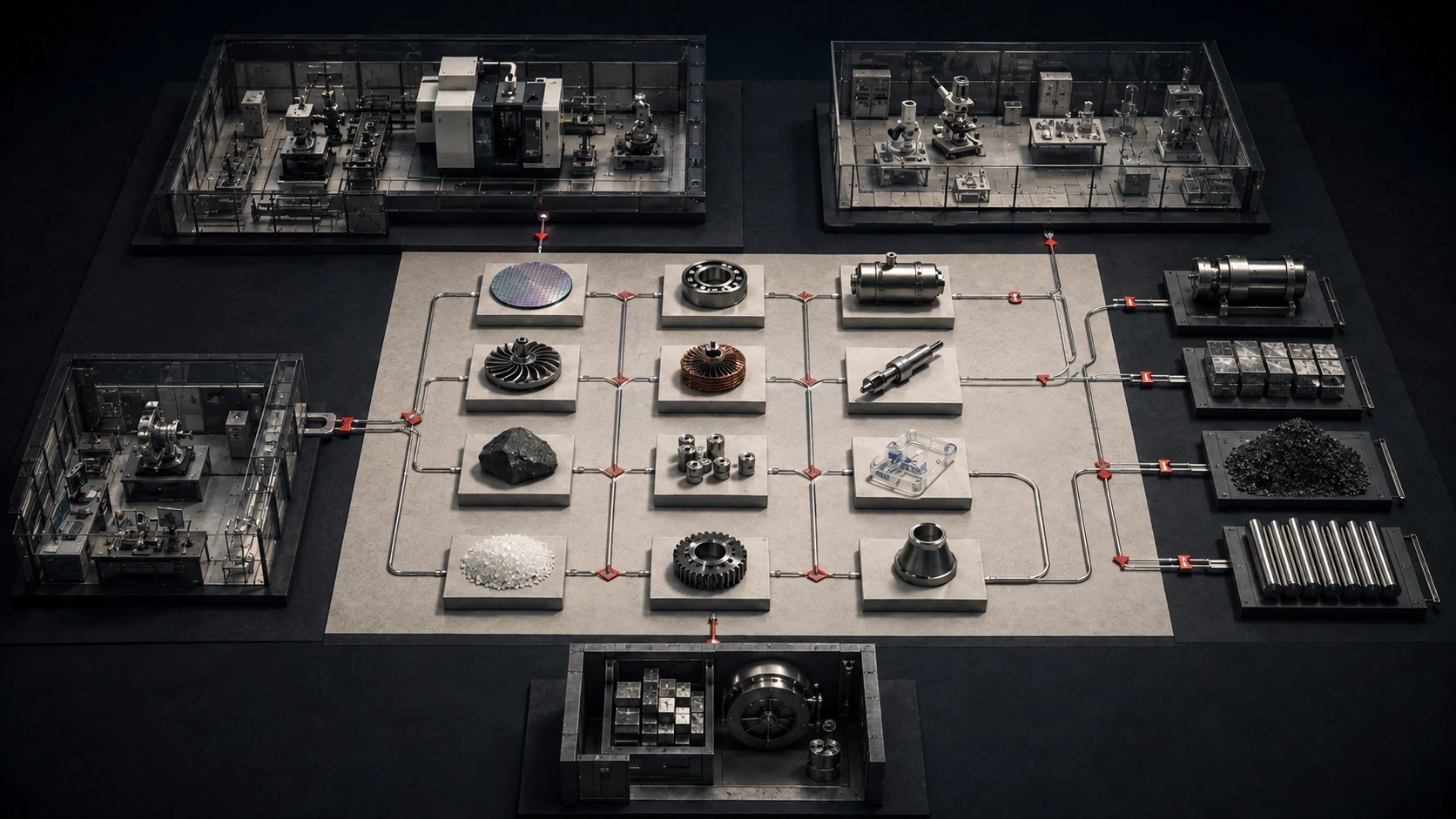
India’s import assessment separates a broad manufacturing opportunity from a critical-input pool. An internal government analysis, reported by Reuters on 16 July, found potential for local manufacturing across $398 billion of the country’s $775 billion merchandise import bill. Of that amount, imports worth $51 billion were classified as critical inputs. From this pool, about 100 items were marked for immediate action.
Each product presents a different industrial problem. The strategic weight of an import lies in the Indian production it sustains. Source concentration, ease of replacement and its role in capabilities India will need by 2047 should determine how India secures it. Efficient trade remains the right course where import dependence poses little risk to Indian production or future capability.
Critical-import selection now spans several arms of government. In September 2025, the Commerce Secretary outlined a public list of 100 high-import products. Six DPIIT-led groups were asked to prepare sectoral shortlists for the Cabinet Secretariat in June 2026. A PMO-led taskforce was reported in July. These efforts need a common public frame and a clear institutional owner to turn selected products into industrial capability.
India’s closest working precedent for product-level action sits in defence. Its sixth Positive Indigenisation List, notified on 18 August, sets indicative indigenisation timelines for 405 strategically important items and provides for procurement from Indian industry after successful development. The state’s power as an anchor buyer gives the model its force. Civilian industry requires the same product-level discipline, applied through standards, technology access, testing and buyer qualification.
After Japan’s 2019 export controls, South Korea turned a 100-item dependency list into product-level action, giving 20 urgent items a one-year horizon and the remaining 80 a five-year horizon. The programme combined domestic production, R&D, technology acquisition and supplier diversification. Across the list, dependence on Japan fell from 31.4% in January–May 2019 to 24.9% over the same period in 2021.
The European Union also measures source concentration, benchmarking reliance on any one third country at no more than 65% for each of 17 strategic materials.
India should publish the shortlist as a National Industrial Capability Map. For every product, it must state how supply will be secured and who will deliver it. That decision would rest on import value, expected demand and source concentration. It must also account for the Indian production dependent on that supply, existing domestic capacity and the precise barrier to competitive supply, including buyer qualification. Every entry would carry a dated milestone and an exit test. The Cabinet Secretariat should direct the programme, with DPIIT maintaining the Map.
The remedy must follow the vulnerability. Where domestic production can become competitive, production-linked incentives may provide a route to scale. The response may involve supplier diversification, technology licensing, testing, buyer qualification, offtake commitments or emergency reserves. Imports remain the right answer where Indian manufacture cannot become economically viable.
The responsible ministry would own delivery, working with testing bodies and anchor buyers. Public annual updates would show whether Indian supply meets the required quality and scale, how much domestic demand it can serve and how much dependence on the dominant foreign source remains.
Doctrine
Go Deeper
India should map its future machinery demand early enough for domestic suppliers to develop, qualify and compete before procurement begins.
3 September 2026
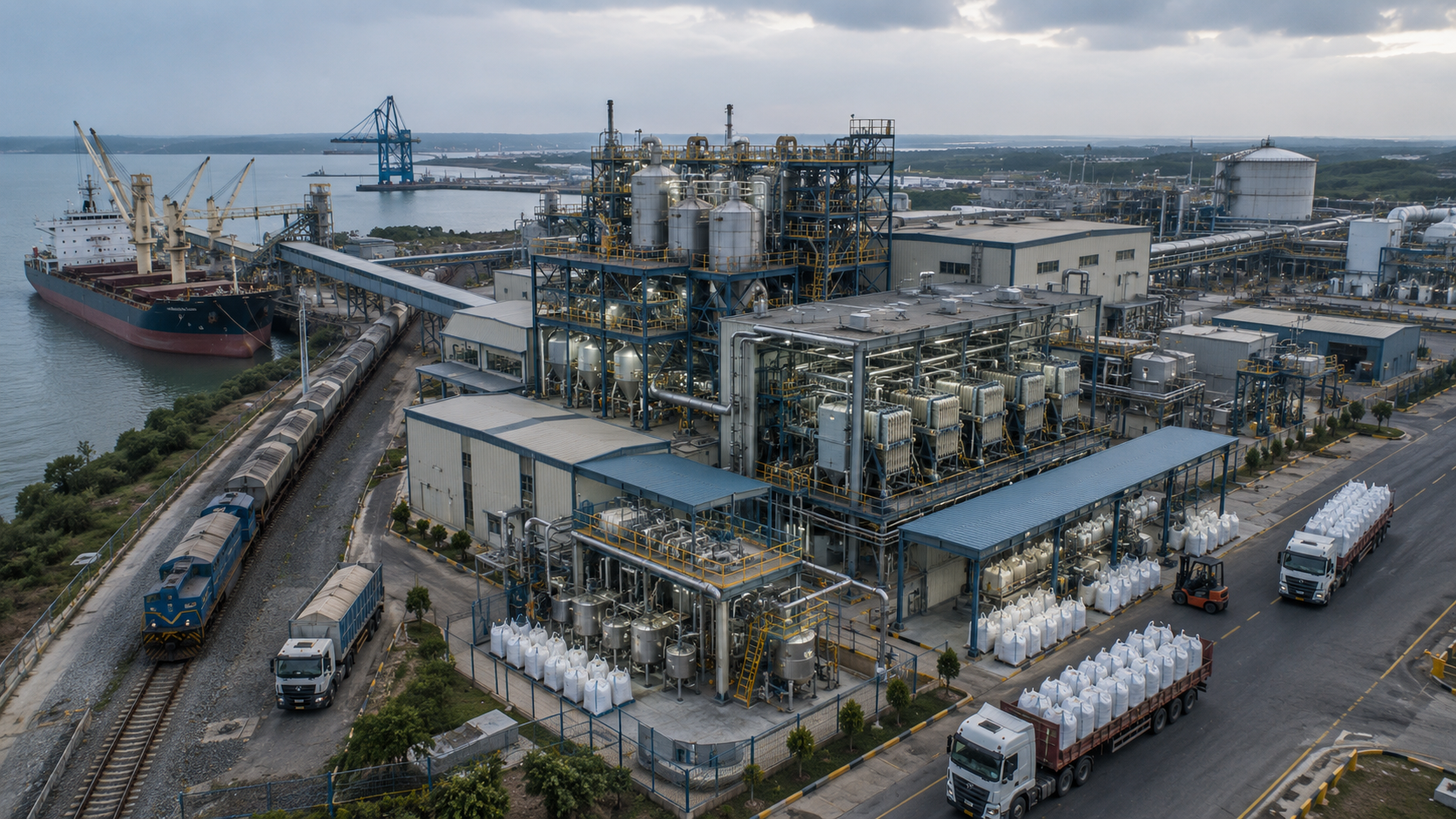
India is securing minerals abroad. The decisive capacity still sits between extraction and the factory.
21 July 2026
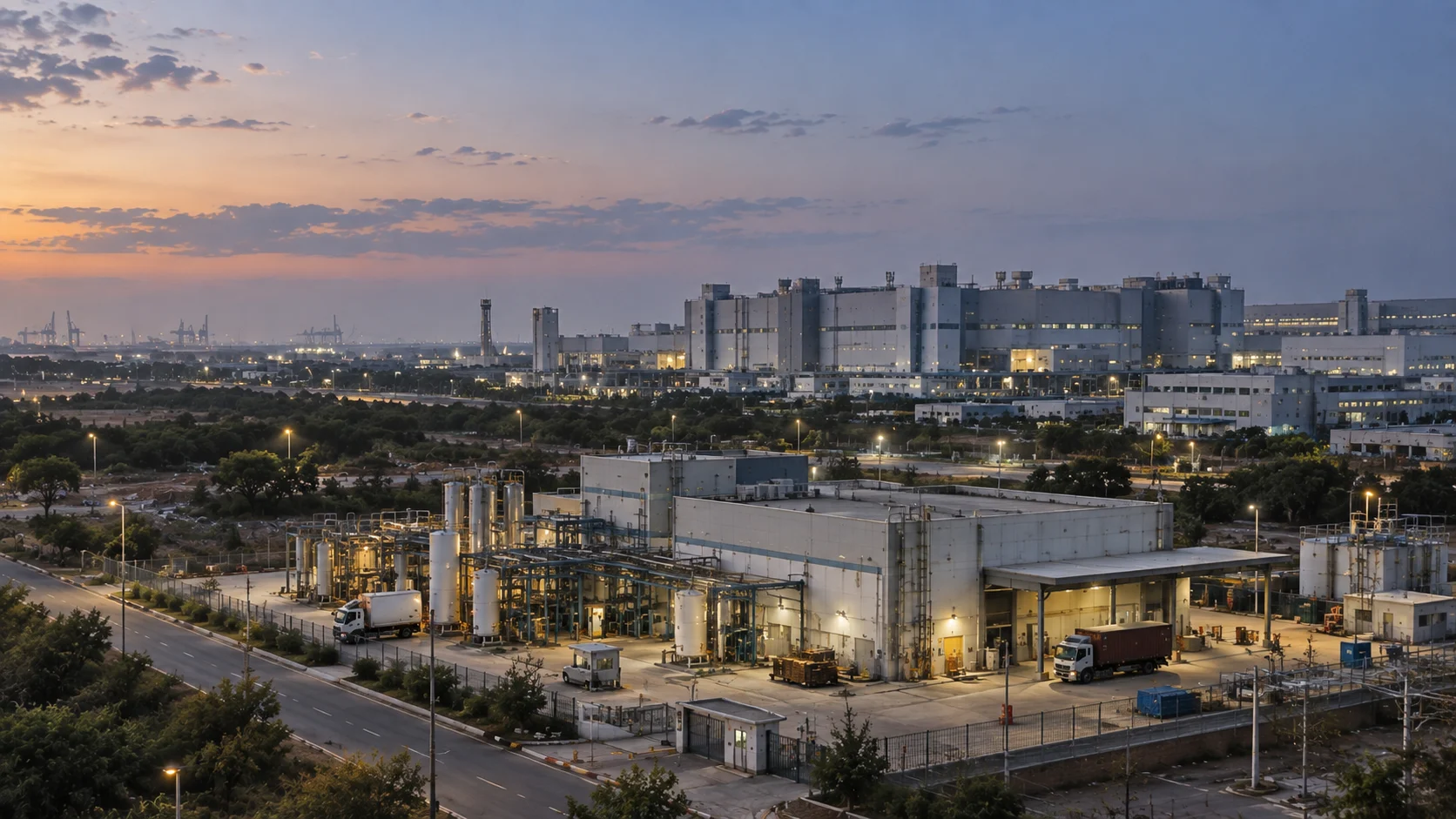
At SEMICON India 2026, design, materials, fabrication and packaging are beginning to connect; the next proof of scale is whether suppliers qualified through early projects can win new customers.
18 September 2026
Leader Blueprints

Dr. Aman Desai
Whole-time Director and Co-founder, Aether Industries Limited · Leader Blueprint
Process intelligence turns chemistry into value.

Dr. Satya Gupta
President, VLSI Society of India · Leader Blueprint
Manufacturing creates capacity. Product design keeps value inside the economy.