India Needs a Capability Map for Critical Imports
India’s shortlist of approximately 100 critical imports requires industrial decisions at product level.
26 August 2026

India is securing minerals abroad. The decisive capacity still sits between extraction and the factory.
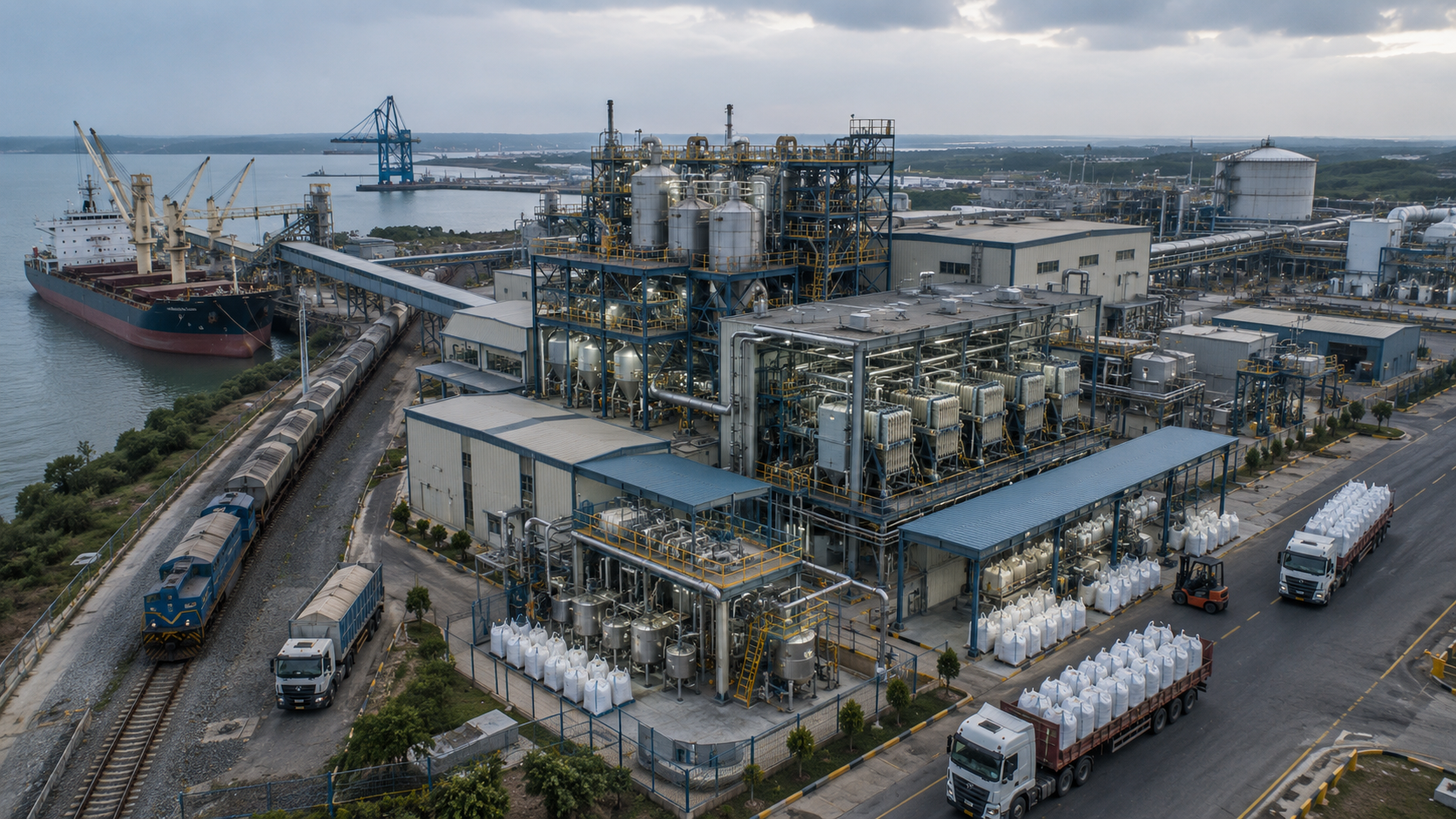
India's critical-mineral push accelerated in July. The government opened an eighth auction tranche covering 20 critical and strategic mineral blocks across nine states. Australia and India strengthened cooperation around long-term supply, offtake, processing and value addition. India and Indonesia called for deeper collaboration in critical minerals and rare earths. KABIL's agreement covering five lithium-brine blocks in Argentina extends the push overseas.
The ambition is national in scale. The National Critical Mineral Mission combines ₹16,300 crore in government expenditure with ₹18,000 crore of expected investment over seven years. It targets four mineral-processing parks. For the energy-transition demand it models, NITI Aayog's 2026 assessment classifies lithium, nickel, cobalt and rare-earth elements as high-demand materials with 100% import dependence.
Yet ore or brine may be secured by an Indian entity and still pass through foreign conversion systems before an Indian manufacturer can use it.
The strategic question begins after extraction.
China accounted for 60% of global mined production of magnet rare earths in 2024 and 91% of refined output. Mining is already less concentrated than the industrial stages that turn raw material into something a manufacturer can use.
Japan already knows the consequence. When rare-earth supplies from China were disrupted in 2010, Japanese industry discovered that access through trade had not created a supply chain it could command.
Japan backed an integrated chain rather than another source of ore in isolation. JOGMEC and Sojitz provided $250 million in loan and equity finance to Lynas. The capital linked Mount Weld extraction and concentration in Australia with separation and refining in Malaysia. The agreement allocated 8,500 tonnes a year, with a ±500-tonne range, to Japan for ten years.
The mine became strategically useful because processing and a ten-year route into the Japanese market were built around it.
India now has to prevent the same exposure from forming around its overseas mineral strategy.
Lithium requires a different conversion route, but its industrial value also depends on qualified output.
During a 2022 visit to Western Australia, then Union Mines Minister Pralhad Joshi toured the Kwinana lithium hydroxide refinery operated by Tianqi Lithium Energy Australia, the Tianqi–IGO joint venture. The plant had produced Western Australia's first battery-grade lithium hydroxide earlier that year.
India's mineral strategy had reached the mine opportunity and was standing inside the processing capability.
Where will lithium secured through India's overseas strategy be converted into battery-grade material?
Lithium feedstock must be converted into material that consistently meets a manufacturer's purity and performance requirements. That requires operating capability, customer qualification and demand strong enough to support commercial scale.
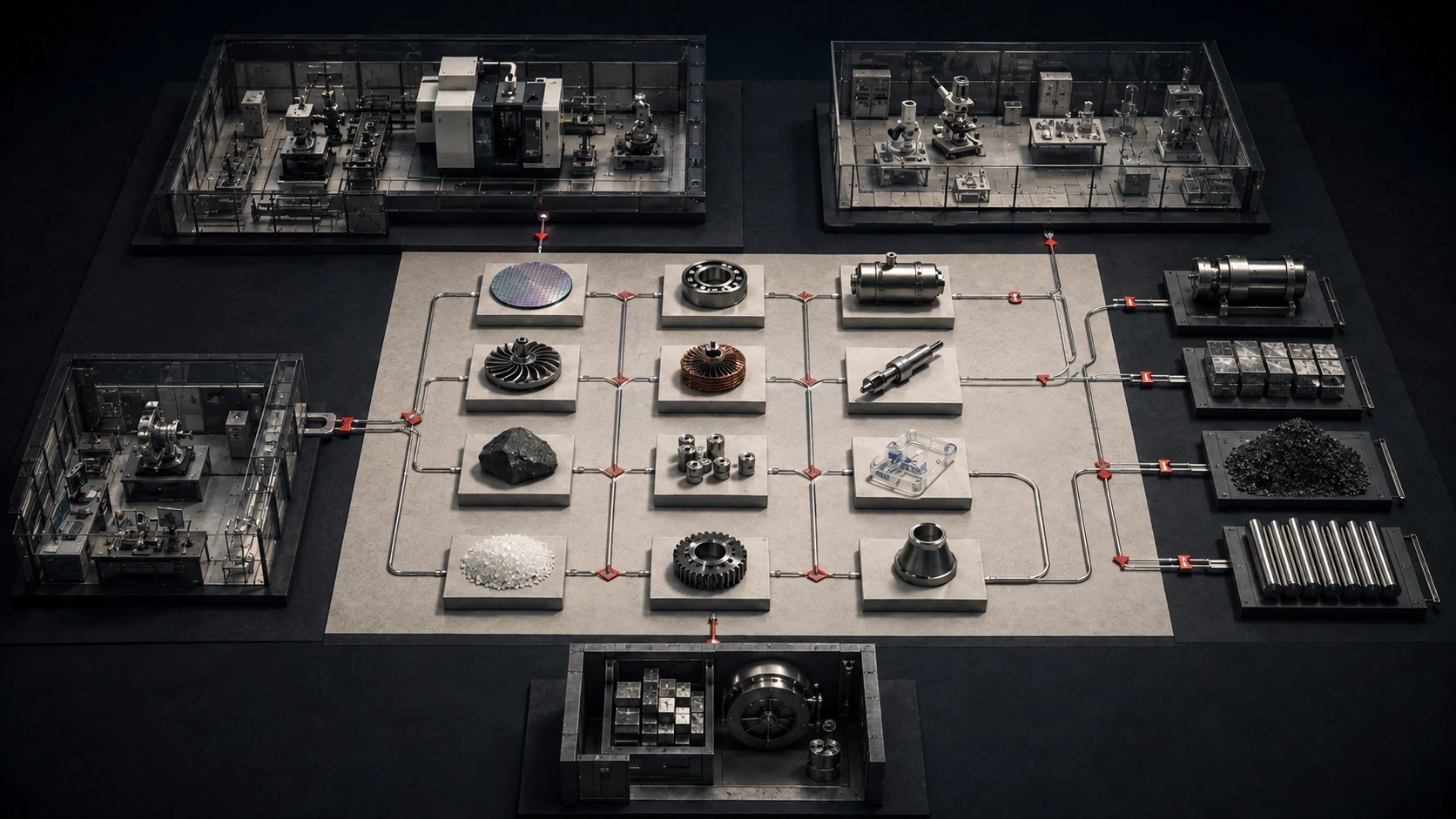
Those four parks now need a specific industrial mandate. The Ministry of Mines should maintain a National Mineral Conversion Map tracing each strategic material from secured source to qualified industrial output. The map would identify the refining and chemical-conversion stages the parks must be designed to host and the overseas dependencies that remain strategically decisive.
That diagnosis should determine the terms of overseas agreements and the release of public capital. Where India lacks a conversion stage, an agreement must carry a route for building it at home. Public capital for commercial-scale processing should be conditioned on a credible industrial buyer establishing specifications, qualifying output and maintaining offtake through scale-up.
The country that refines the material decides the industry.
India's next mineral agreement should be judged by the processing capacity it pulls into the country.
Go Deeper
India’s shortlist of approximately 100 critical imports requires industrial decisions at product level.
26 August 2026
India’s draft steel policy calculates 2047 raw-material demand from a fixed production structure, while its low-carbon roadmap allows the technology pathway to evolve. The five-year review should update ore, coal, scrap, power and hydrogen demand accordingly.
12 October 2026
India should map its future machinery demand early enough for domestic suppliers to develop, qualify and compete before procurement begins.
3 September 2026
Leader Blueprints

Dr. Aman Desai
Whole-time Director and Co-founder, Aether Industries Limited · Leader Blueprint
Process intelligence turns chemistry into value.
Ashima Goyal
Capital & Industrial Policy
Ashima Goyal on patient capital, financial depth, policy stability and the financing conditions needed for long-cycle strategic investment and capability building.
7 October 2026