India Needs a Capability Map for Critical Imports
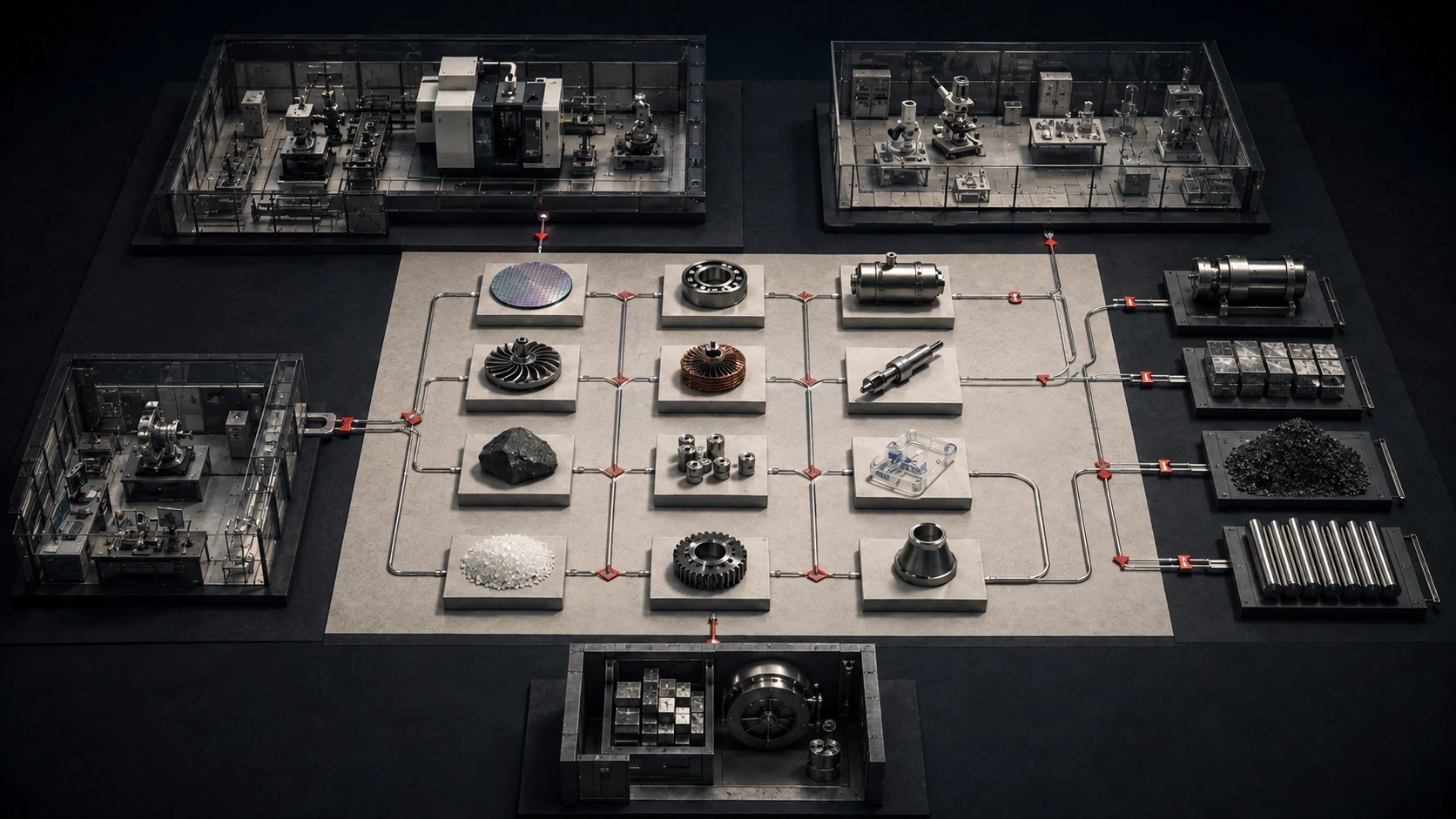
India’s shortlist of approximately 100 critical imports requires industrial decisions at product level.
26 August 2026

Upfront
India’s defence industry has reached record scale. Sovereignty lies in the authority India holds over each weapon through its operating life.

India’s sixth Positive Indigenisation List adds 405 strategically important items to a programme that has already localised more than 15,700 defence items. Annual production reached ₹1.78 lakh crore in 2025–26, private companies accounted for 24% and exports rose to ₹38,424 crore. The industrial base is now large enough to locate the few dependencies that still carry veto power over an entire military capability.
HAL’s February update put one in plain sight. Nine Tejas Mk1As had been built and flown, with delivery awaiting GE Aerospace’s F404 engines. For a fighter designed and built in India, the induction schedule remained tied to propulsion supplied from abroad.
International sourcing remains compatible with sovereignty provided authority over the weapon remains Indian. A dependency becomes critical when loss of access degrades the capability before an Indian alternative is available.
Draft DAP 2026 gives indigenous design greater weight at procurement. Years later, the engineering team integrating a new weapon inherits the technical-data access and certification rights secured in that contract. The Sovereignty Audit begins there, with the authority India retains after delivery.
An upgrade reaches service only after it has been tested and qualified. The Defence Testing Infrastructure Scheme already recognises limited access to advanced facilities as a constraint on domestic production. Control of the qualification route carries practical authority over the change.
The Army has indigenised 159 of its 175 ammunition variants, yet replenishment for 110 rests on a single domestic supplier. India controls the source while remaining exposed to the interruption of one production line.
Australia has narrowed sovereign industrial policy to seven priorities it expects to access whenever government directs, with sustained demand behind them. South Korea chose sequence. Successive K2 batches moved from a foreign powerpack to a domestic engine and an approved domestic transmission for the fourth batch. India has the scale to decide where sovereign control is indispensable and to fund a retirement path for every exposed dependency.
A classified Sovereignty Annex should accompany every priority capability chain. The relevant Service and programme office would run the capability through 30, 90 and 180 days without the critical input, recording what falls out of service and when. The Department of Defence Production would set out an industrial route for each exposed dependency. Headquarters Integrated Defence Staff would maintain the cross-service register for annual ministerial review.
The register would distinguish Sovereign control from Assured Interdependence and Critical External dependence. Assured Interdependence would require independent supply routes or licensed production usable through a denial period. A Critical External entry would carry a named owner and funded retirement date, with stocks or alternate sourcing protecting the intervening period. Single-source domestic supply would remain visible through a separate resilience rating.
By 2047, the inheritance would extend beyond continuity of supply. Years of integration, upgrade and qualification work would sit inside Indian teams and laboratories, while repeat production would deepen the suppliers behind them. Defence exports built on that record would carry more than an Indian factory address.
India’s defence industry has established its scale. Its sovereignty will be measured by the external vetoes it retires.
Doctrine
Go Deeper
India’s shortlist of approximately 100 critical imports requires industrial decisions at product level.
26 August 2026
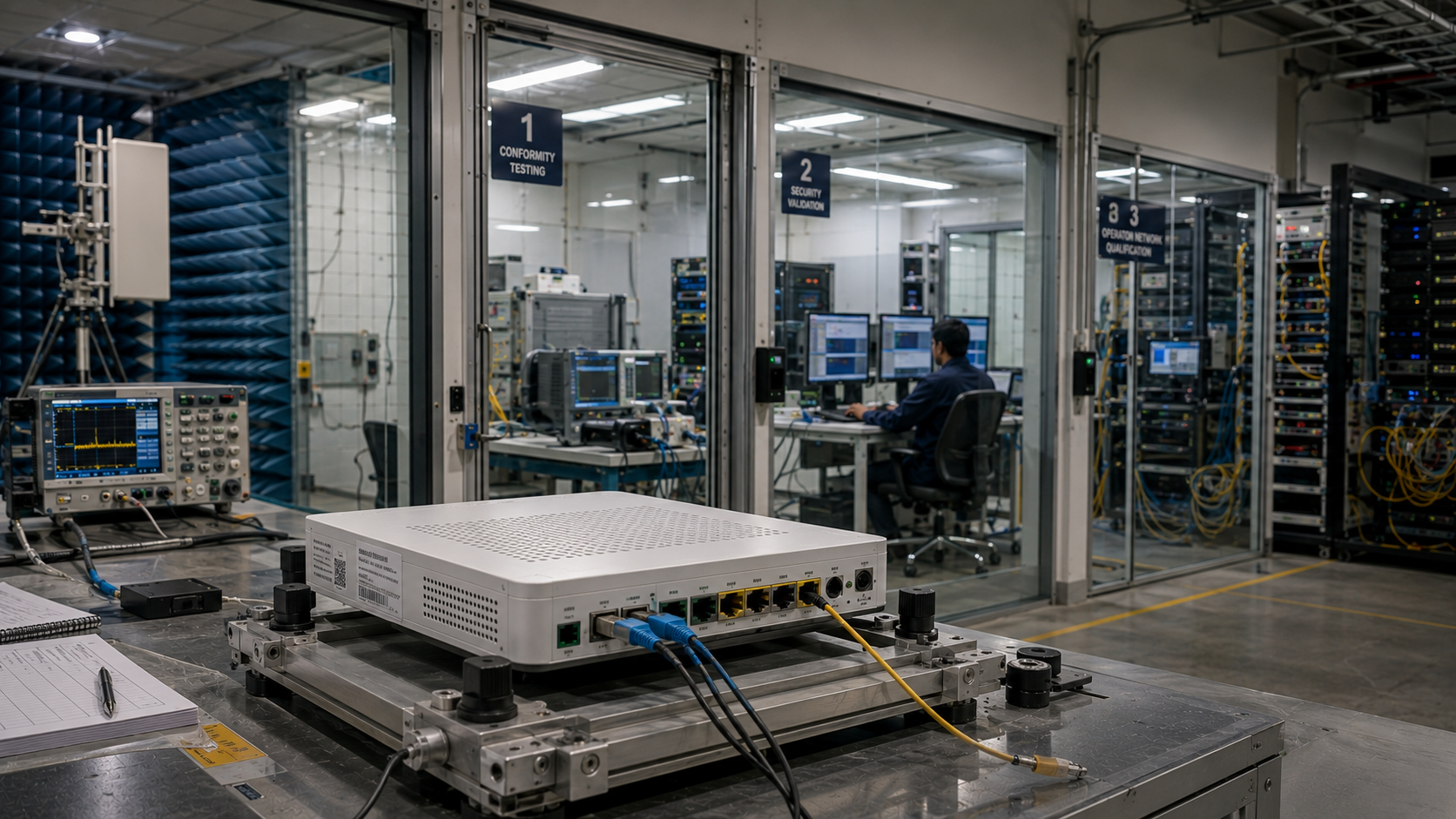
Gwalior will house specialised laboratories across India's telecom technology stack. The decisive test is whether they can carry a domestic product from prototype through certification, interoperability and its first operator-approved deployment.
30 July 2026

Four Indian companies will invest more than ₹1,200 crore to build, own and operate an Earth-observation constellation. India has mobilised private capital and technical capability. Industrial strength will come from repeated use of Indian data across public services and commercial markets.
13 August 2026
Leader Blueprints
Lt Gen P.R. Shankar
Defence & Strategic Technology
Lt Gen P.R. Shankar on correcting field faults, retaining engineering knowledge and carrying the lessons of indigenous weapons into successor designs.
7 October 2026
N. Manoharan
Defence & Strategic Technology
N. Manoharan on reproducing proven defence performance across batches, suppliers and years of use through traceability, assurance and defect prevention.
7 October 2026