Issue 6 · Defence Law · Defence & Strategic Technology

Indigenisation Must Reach the Support Chain

Su-30MKI production moved into India before its support chain did.

2 min read

Hindustan Aeronautics Limited was manufacturing the aircraft in India when fleet support drew on Russian original-equipment manufacturers for spares and technical assistance.

Maintenance and overhaul continue for decades after induction. That work builds repair knowledge, test infrastructure, skilled employment and demand for domestic suppliers where it is performed.

In 2017, HAL signed five-year agreements with United Aircraft Corporation and United Engine Corporation for spares and technical assistance. The agreements carried no technology transfer.

That year, the government sanctioned ₹1,324.33 crore to raise HAL's Su-30MKI repair-and-overhaul capacity from 15 to 20 aircraft a year and aggregate overhaul capacity from 15 to 35 aircraft sets.

In 2024, the Ministry of Defence contracted 240 AL-31FP engines from HAL for more than ₹26,000 crore. HAL's Koraput division will manufacture the engines with indigenous content averaging above 54%, rising to 63% by the end of the programme. The Ministry said the programme will also increase indigenous content in engine repair and overhaul.

DAP 2020 already provides for domestic maintenance capability, lifecycle test facilities and Indian manufacture of spares and components. DPM 2025 permits assured orders of up to five years and beyond in specified indigenisation cases.

For major platforms, the Service and programme organisation must review recurring support sourced abroad as operating demand becomes clear. Move that work into qualified Indian capability when recurring demand can sustain the investment and the capability matters to readiness.

Australia opened a A$200 million facility in 2026 to bring deep maintenance of its P-8A Poseidon fleet onshore. The work had previously required offshore support. From 2028, New Zealand's P-8As are also due to enter the Australian facility for maintenance and repair.

A rare repair does not justify an Indian facility merely to improve an indigenisation percentage. The priority is recurring work with enough demand, operational importance and technical depth to sustain a qualified Indian capability.

Indigenisation must reach the support chain.

Issue 6

Dr G. Satheesh Reddy

Feature · Defence & Strategic Technology

Own the Evolution

A defence technology that has been successfully developed has already created strategic technological capability. Dr G Satheesh Reddy asks whether India can then take that technology into production, sustain it through years of service and retain the ability to change it as requirements evolve.

7 Oct 2026 · 2 min read

Ashima Goyal

Leader Blueprint · Capital & Industrial Policy

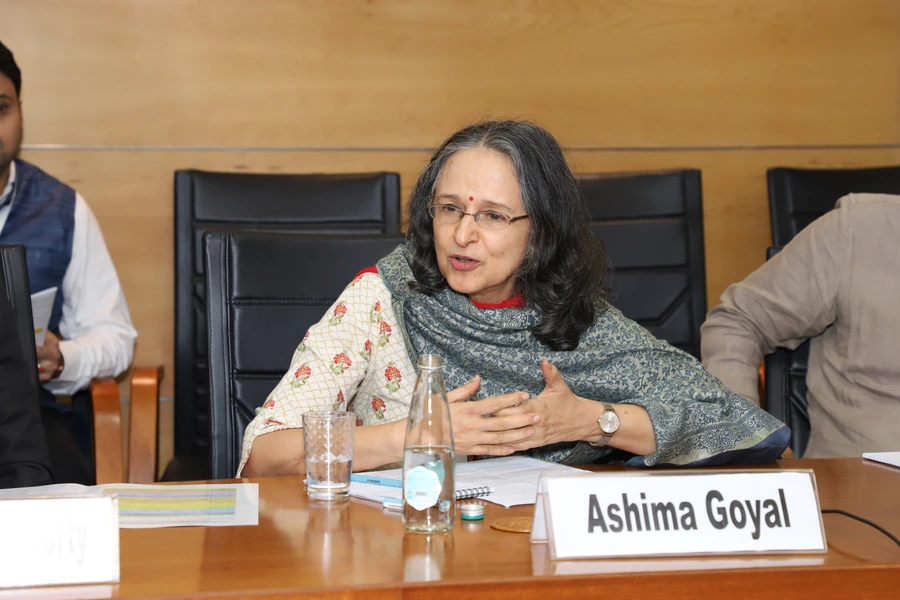
Finance Must Last Until Capability Is Built

Long-cycle strategic investment can take years before returns arrive. For Ashima Goyal, the financing challenge is whether capital can stay committed through that period at a cost the project can bear.

7 Oct 2026 · 3 min read

Leader Blueprint · Defence & Strategic Technology

Defence Indigenisation Must Close the Process Capability Gap

India’s defence sector has moved rapidly on indigenisation. More than 15,700 defence items have been indigenised through SRIJAN over the past five years, with estimated import substitution of about ₹9,000 crore. In August, another 405 strategically important items were placed on the Department of Defence Production’s sixth Positive Indigenisation List.

7 Oct 2026 · 3 min read

Leader Blueprint · Defence & Strategic Technology

Defence Sovereignty Requires Design Continuity

Lieutenant General P.R. Shankar, former Director General of Artillery, argues that India’s next defence-industrial test begins after induction: whether field use improves the system, known faults are corrected and the learning reaches the weapon that follows.

7 Oct 2026 · 5 min read

N. Manoharan, Director General of the Directorate General of Quality Assurance

Leader Blueprint · Defence & Strategic Technology

In Defence Production, Quality Is Repeatability

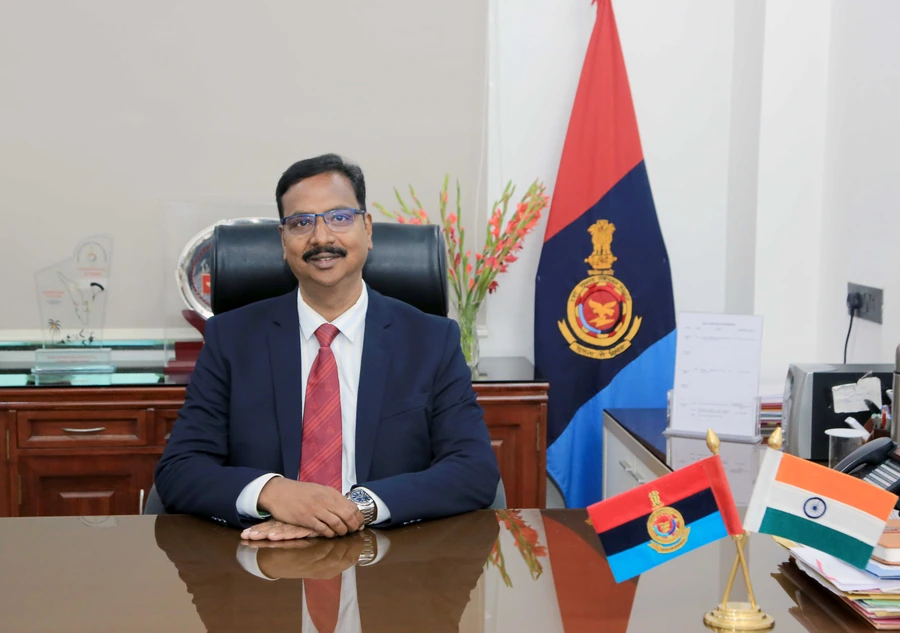
N. Manoharan, Director General of the Directorate General of Quality Assurance, argues that defence-manufacturing capability is established when proven performance can be reproduced across production batches, suppliers and years of use.

7 Oct 2026 · 3 min read

Feature · Defence & Strategic Technology

The Drawing Is Not the Factory

India can transfer defence production into industry. The handover is proven when the approved design changes—and industry carries the engineering.

8 Oct 2026 · 4 min read

Defence Law · Defence & Strategic Technology

Indigenisation Closes at Qualified Use

A critical defence material is not indigenised because India can produce it. The Indian production route must be qualified for the military application that depends on it.

8 Oct 2026 · 1 min read

Defence Law · Defence & Strategic Technology

Replenishment Must Be Proven Before It Reduces War Stocks

War-stock planning can credit Indian production only at a replenishment rate India has proved.

8 Oct 2026 · 2 min read